Thinking about a golf community that balances scenery, amenities, and value in Mount Pleasant? Charleston National often makes the short list for its Rees Jones course, marsh views, and a wide mix of homes. Recent reports show a median sale price near $608,000, while median list prices have trended in the high $700Ks, so setting expectations with recent sales is key. In this guide, you’ll see how pricing works by home type, how HOA and club costs are structured, what to verify before you buy, and how Charleston National compares to other Mount Pleasant golf neighborhoods. Let’s dive in.
Location and lifestyle snapshot
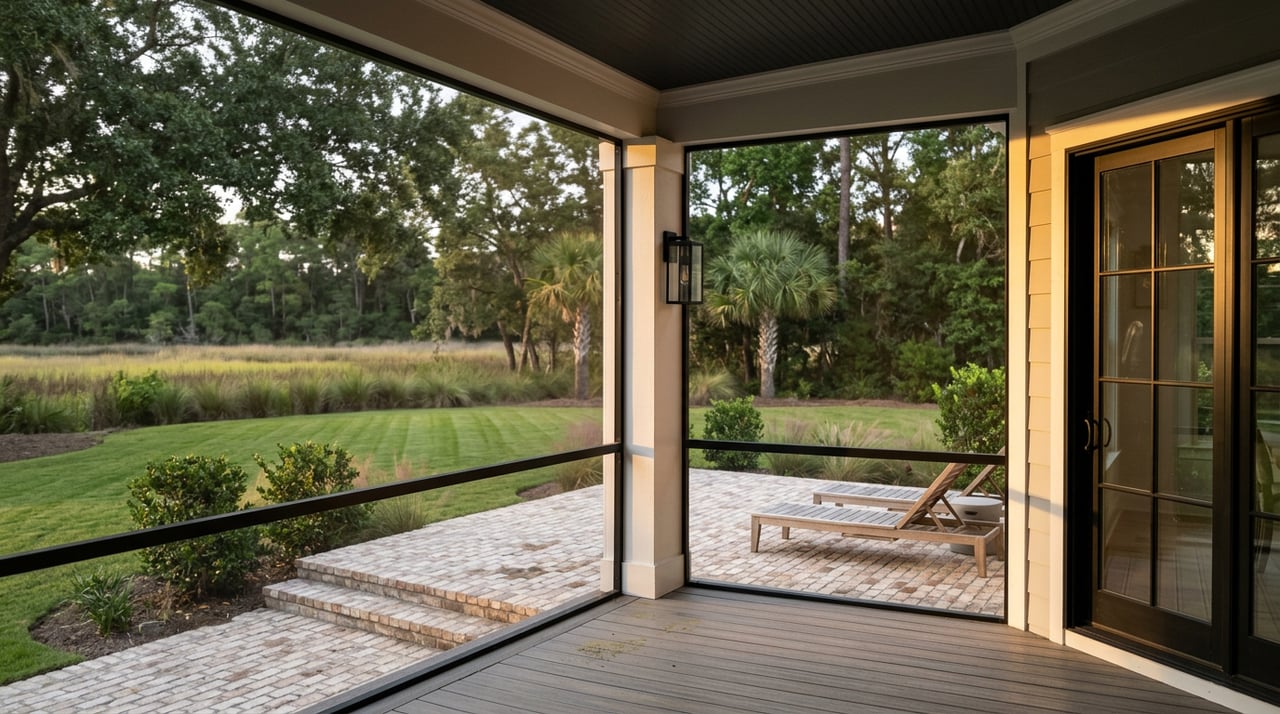
Charleston National sits in northern Mount Pleasant off US‑17 on National Drive. You can reach downtown Charleston in about 20 to 30 minutes and Isle of Palms beaches in roughly 12 to 20 minutes depending on traffic. The setting pairs suburban convenience with Lowcountry scenery, including ponds, mature landscaping, and sections that back to marsh or the course.
Home types and price ranges
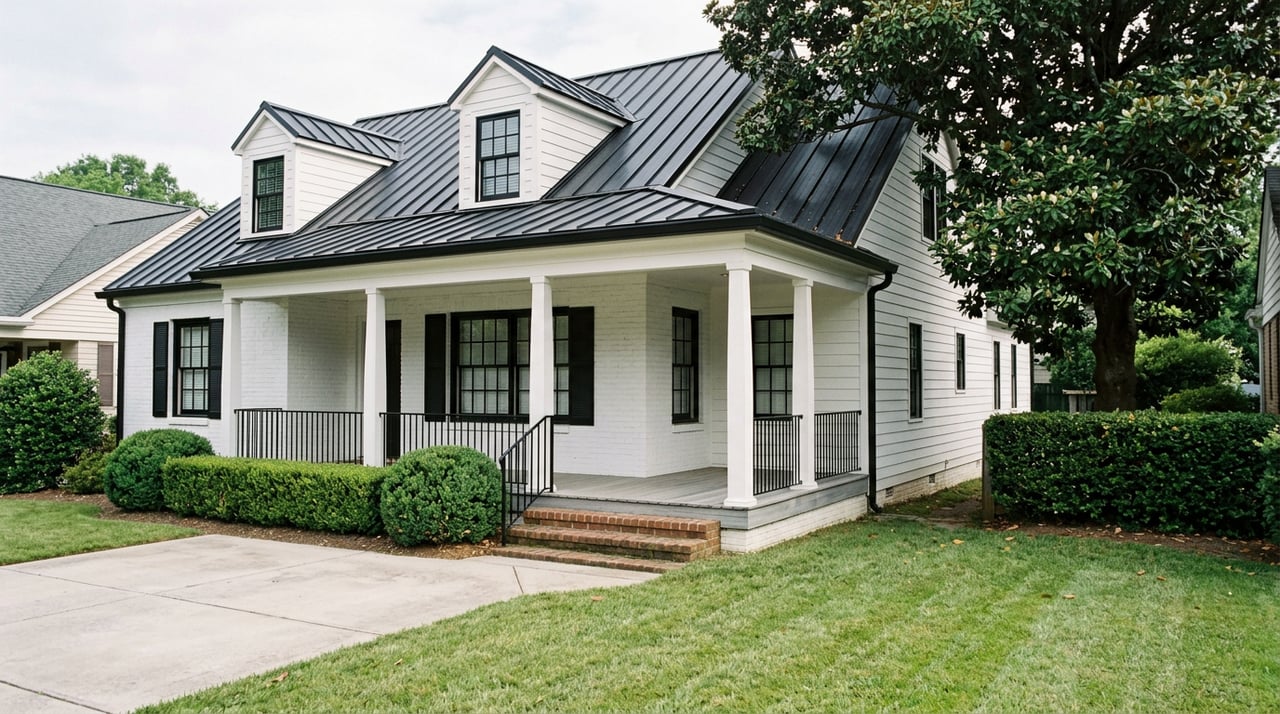
Most homes date from the 1990s through the 2000s and reflect Lowcountry design, including elevated or two‑story plans. You’ll find single‑family homes, townhomes and condos, plus a few gated or condo‑regime pockets.
- Condos and townhomes: Entry points vary widely with condition, size, and views. Recent examples range from the mid‑$300Ks to $600K plus for updated or larger units, with historically lower older sales in the low‑to‑mid $200Ks.
- Single‑family entry to move‑up: Many 3 to 4 bedroom homes fall in the $400K to $800K range, with lot size and marsh or pond exposure driving price.
- Marsh or premium positions: Larger or view homes have sold from the high‑$800Ks to above $1 million, with select marsh‑view examples around $1.09 million.
Note on pricing: neighborhood medians can differ by source and timing. Focus on recent closed sales to understand what buyers actually pay.
Golf and amenities
Charleston National centers on an 18‑hole, par‑72 Rees Jones design known for wetlands corridors and marsh‑lined finishing holes. The course is semi‑private with public access for tee times.
- Rees Jones championship course and practice areas. Learn more about the routing and course character on the designer’s page at the Charleston National Golf Club profile.
- Clubhouse with pub, neighborhood pool, tennis and pickleball, playground, and a fitness center.
- CNCA maintains common areas like entrance features, landscaping, ponds, and trails.
- Public tee rates and a VIP program are published by the club. See current information on golf rates and programs.
HOA vs club: how costs work
Understanding the split between the property owners association and the golf club is essential.
- The Charleston National Community Association (CNCA) maintains common grounds and enforces covenants.
- The Charleston National Golf Club (CNGC) operates the course and amenity facilities.
- Homeowners are typically social members of the club, which includes access to non‑golf amenities, but full golf privileges require a separate membership.
- CNCA assessments and CNGC dues are separate budget items and are billed by different entities.
CNCA’s community newsletter provides useful governance updates, including discussions about transfer fees and capital contributions. Review recent policy notes in the CNCA newsletter and confirm the current status before closing.
Fees, transfer costs, and governance
- CNCA assessments have historically been in the low hundreds per year, with social dues reported by brokers in past listings around $40 to $50 per month. These figures vary over time and by listing. Always verify with the association and the club.
- Transfer fees are an active topic. The CNCA has discussed replacing a small dues‑based fee with a fractional percentage capital contribution at closing. Confirm what applies at the time of your contract.
- Architectural Review Committee (ARC) oversight is in place for exterior changes. Obtain the governing documents and homeowner handbook early. Start with CNCA’s recorded covenants and bylaws here: CNCA CC&Rs resource.
Buyer due‑diligence checklist
Before you remove contingencies, request documents and verify the details that impact your budget and use of the property.
- CNCA docs pack: CC&Rs, bylaws, minutes, budget, reserve study, and any sub‑HOA documents for Victory Pointe or The Retreat. Confirm any transfer or capital contributions. See the CNCA newsletter for recent policy discussions.
- Club membership details: Ask the club for a current packet on social and golf tiers, initiation, dues, cart and guest fees, and any waitlists. Review published information on golf rates and programs and request full membership details directly from the club.
- Flood maps and insurance: Check parcel‑level FEMA maps and request the seller’s elevation certificate if available. Elevated construction is common in the Lowcountry and flood designation affects insurance and lending. Use FEMA’s Flood Map Service Center.
- Short‑term rentals: Mount Pleasant operates a strict, capped permit system with a waitlist at times. Confirm eligibility and permitting requirements at the town’s Short‑Term Rentals page.
- Schools and zoning: Always verify attendance zones for your exact address with Charleston County School District using CCSD resources.
- Inspections: Order a general home inspection and a termite/wood‑destroying organism inspection. For marsh or lagoon lots, review shoreline maintenance responsibilities and any easements in the CNCA handbook.
- Routine checks: Confirm utility providers, mailbox and parking rules, boat or RV storage restrictions, exterior maintenance obligations, and any golf cart access or restrictions.
How it compares nearby
Mount Pleasant offers several golf communities with different price points and lifestyle tradeoffs.
- Dunes West: Typically higher list medians and a broader waterfront and club amenity package. Many buyers compare Charleston National’s lower entry cost with Dunes West’s premium river and amenity access.
- Rivertowne Country Club: Often shows higher median prices than Charleston National. Parcels with waterfront or course proximity can command premiums.
- Snee Farm: Closer to central Mount Pleasant with larger, established lots and a private club environment. Price points and lot sizes are often higher than Charleston National.
If you want an established golf course setting with varied housing options and a manageable overall buy‑in, Charleston National is a strong contender.
Who Charleston National fits best
- You want frequent golf access without a full‑scale private‑club price point.
- You like a mix of home types, including lower‑maintenance townhomes.
- You value marsh and course views and are comfortable with a suburban location and commute tradeoffs.
- You prefer clear separation between HOA responsibilities and optional golf membership.
Next steps
Charleston National rewards buyers who do their homework on HOA and club costs, flood and insurance, and membership options. If you want pragmatic, locally grounded guidance from a team that blends residential brokerage with development‑level due diligence, we are here to help. Reach out to PRL Consulting Group, LLC to discuss your goals, review current sales, and build a step‑by‑step plan.
FAQs
Is golf membership required to buy in Charleston National?
- No. Homeowners are social members of the club for amenities like the pool and clubhouse, but full golf access requires a separate membership with the Charleston National Golf Club.
How does the HOA differ from the golf club in Charleston National?
- CNCA handles common areas and covenants, while the club operates the golf course and amenity facilities. CNCA assessments and club dues are separate and billed independently.
What should I know about flood risk near marsh lots in Charleston National?
- Flood exposure varies by parcel. Check FEMA maps, request an elevation certificate, and consult your lender or insurer. Start with FEMA’s Flood Map Service Center.
Are short‑term rentals allowed in Mount Pleasant neighborhoods like Charleston National?
- STRs are regulated under a strict permit system with caps and operating rules. Review the town’s requirements on the Short‑Term Rentals page and confirm permit availability.
What are typical home price ranges in Charleston National?
- As a guide, many condos and townhomes range from the mid‑$300Ks to $600K plus depending on size and finish. Single‑family homes often sell from $400K to $800K, with view or larger homes reaching above $1 million.
How long is the commute from Charleston National to downtown and beaches?
- Typical drive times reported locally are about 20 to 30 minutes to downtown Charleston and roughly 12 to 20 minutes to Isle of Palms, depending on traffic.
How do I verify schools for a specific Charleston National address?
- Contact Charleston County School District and use their address tools to confirm current boundaries. Start at CCSD resources.