Wondering whether downtown Charleston or the suburbs make more sense for your next home? It is a common question, especially when you are balancing lifestyle, commute, space, and price all at once. The good news is that each area offers a distinct experience, and the right fit usually becomes clearer once you compare the tradeoffs side by side. Let’s dive in.
Charleston Homebuying at a Glance
If you start with price, downtown Charleston is the most expensive option in this comparison. Current data shows a median sale price of $1,699,428 downtown, compared with $1,557,226 on Daniel Island and $874,477 in Mount Pleasant.
Market pace is fairly similar, but there are differences. Homes average 68 days on market downtown, 61 days on Daniel Island, and 58 days in Mount Pleasant. That means buyers should expect competition in all three places, but the budget conversation often looks very different depending on where you focus.
Downtown Charleston: Urban and Historic
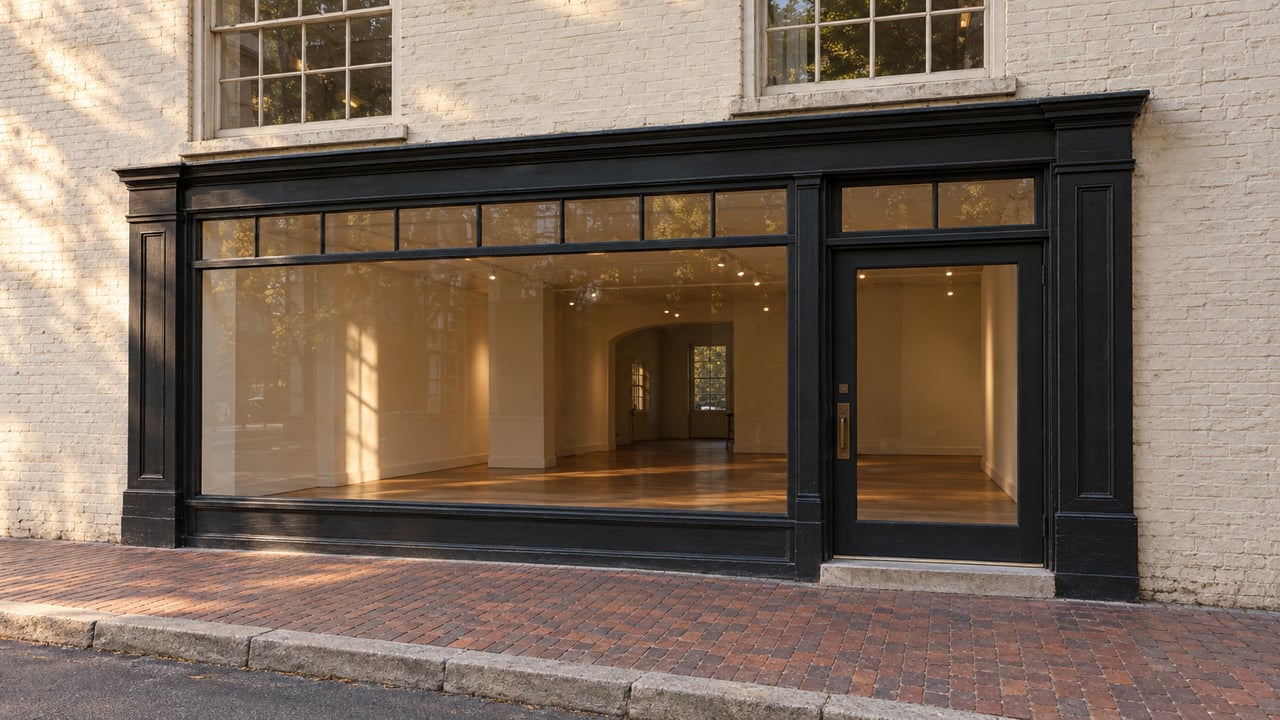
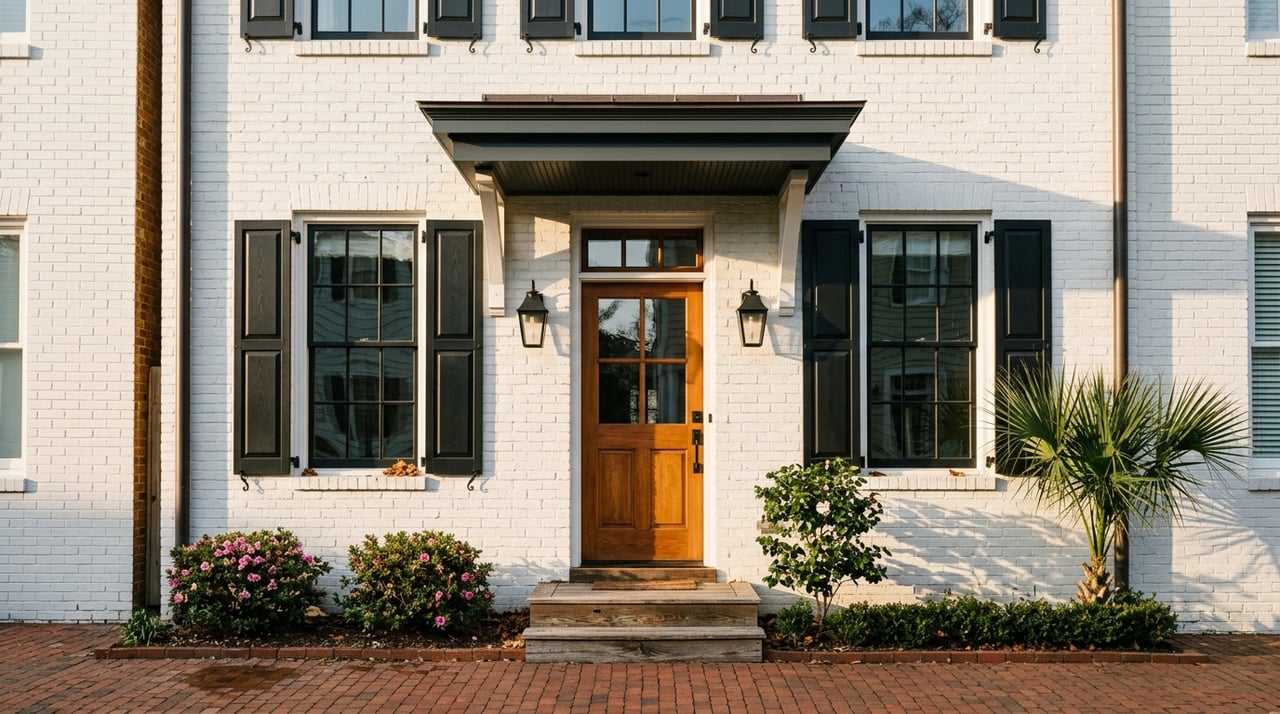
Downtown Charleston is usually the clearest fit if you want to live close to restaurants, waterfront areas, cultural spots, and a more urban street grid. Housing on the peninsula often includes historic single-family homes, converted condos, and townhomes, with smaller lots and more parking tradeoffs than you will typically find in suburban areas.
The city’s peninsula planning framework focuses on transportation, flooding, housing, public space, tourism, economic development, and quality of life. The Preservation Division also oversees historic-district review, which matters if you are considering a property with historic features or planning future exterior changes.
In practical terms, downtown buyers are often paying for location, walkability, and character. You may gain easier access to daily destinations, but you may give up square footage, private parking, or larger outdoor space.
What Downtown Housing Looks Like
Current downtown inventory reflects a narrower mix of attached housing than Mount Pleasant. Listing pages show condos, townhouses, renovated attached homes, and historic residences, with 15 condos for sale at a median listing price of $1.25 million.
If you love older architecture and a true in-town feel, that mix can be a major draw. If you want more flexibility on price and property type, your options may feel more limited than they do in the suburbs.
Downtown Mobility and Daily Life
Downtown stands out for walkability. One pending downtown listing carried a Walk Score of 91, and the area also benefits from CARTA’s free DASH service with multiple peninsula routes.
For buyers who want to reduce car dependence, downtown has the strongest setup in this comparison. That said, you should still factor in parking, flood exposure on the peninsula, and any historic-district review rules that may affect the home you choose.
Mount Pleasant: More Range and More Space
Mount Pleasant often appeals to buyers who want a suburban routine without feeling cut off from Charleston. The town’s planning work centers on community character, neighborhood livability, and transportation improvements, which helps explain why the housing mix feels broader and more flexible.
This is also where the price ladder is widest. Redfin’s current city guide shows median sale prices of $1,101,940 for single-family homes, $622,622 for townhouses, and $407,845 for condos and co-ops.
That spread gives you more room to compare space, maintenance level, and budget. If you are relocating and want options across several price points, Mount Pleasant often offers a strong middle ground.
What Mount Pleasant Buyers Gain
Compared with downtown, buyers in Mount Pleasant can usually shop across a wider mix of detached and attached homes. That makes it easier to match your search to your budget instead of forcing your budget to fit a very narrow inventory type.
You may also find it simpler to prioritize square footage, storage, parking, or newer layouts. For many buyers, that flexibility is the main reason Mount Pleasant stays high on the list.
Mount Pleasant Tradeoffs
The biggest tradeoff is mobility. Mount Pleasant is more car-dependent overall, with a Walk Score of 22 based on Redfin data.
CARTA does serve Mount Pleasant, including Route 41 between Mount Pleasant and downtown. Still, most buyers here should plan around driving and bridge traffic rather than assume a walkable daily routine.
Daniel Island: Planned and Coordinated
Daniel Island offers a different suburban experience. It was designed as a master-planned community, with interconnected neighborhoods, an island-wide open-space network, a mixed-use village center, and waterfront access.
That planning structure tends to create a more coordinated look and feel. Buyers will usually find newer detached homes, townhouses, and condos or villas, rather than the historic housing stock that defines much of downtown Charleston.
For buyers who want a neighborhood with a clear plan and a more self-contained feel, Daniel Island can be especially appealing. It combines a coastal setting with housing choices that often support lower-maintenance living.
Daniel Island Pricing and Housing Mix
Daniel Island sits in the luxury tier, with a median sale price of $1,557,226 and average market time of 61 days. Current listings include condos and townhouses alongside detached homes, so you are not limited to one property type.
That said, Daniel Island is still a premium market. If your top goal is stretching your budget as far as possible, Mount Pleasant may offer more range.
Daniel Island Mobility
Daniel Island is less walkable than downtown and remains more car-oriented overall. Redfin gives the area a Walk Score of 19, which is slightly below Mount Pleasant.
For daily routines, many buyers are comfortable with that tradeoff because the area is intentionally organized around neighborhoods, open space, and a mixed-use center. Still, if true walkability is high on your list, downtown remains the clear leader.
Commute Reality in Charleston
Charleston-area commute decisions are not just about distance. They are often about bridges, timing, and routine.
Census QuickFacts show mean travel times to work of 24.2 minutes in Charleston city and 24.9 minutes in Mount Pleasant town. Those averages are close, which suggests the real difference often comes down to where you work, whether you need to cross a bridge, and what time you travel.
The local bridge network matters. The City of Charleston identifies the Ravenel Bridge as the connection between the peninsula and Mount Pleasant, the Don Holt Bridge as the North Charleston to Daniel Island connection, and the Wando Bridge as the Daniel Island/Cainhoy to Mount Pleasant connection.
If your job, daily errands, or regular activities pull you across those routes often, commute planning should play a big role in your home search. On paper, two areas may look similar. In practice, your daily drive can feel very different.
Which Charleston Area Fits You Best?
The best choice depends on what matters most in your day-to-day life. A home is not just about the property itself. It is also about how the area supports your routine.
Choose Downtown Charleston If You Want:
- Strong walkability
- Historic character
- Easier access to restaurants, culture, and waterfront areas
- Free DASH transit on the peninsula
- An urban lifestyle with less dependence on a car
Downtown is usually best if you are comfortable paying more for location and charm, while accepting less space, more parking friction, and added diligence around flood exposure and historic review.
Choose Mount Pleasant If You Want:
- A broader range of home prices
- More options between condos, townhomes, and detached homes
- A suburban setting with access to Charleston
- More focus on space and flexibility
- A practical middle ground for relocation
Mount Pleasant often makes sense if you want balance. It is usually less about a single defining feature and more about giving you several workable options.
Choose Daniel Island If You Want:
- Newer and more coordinated housing
- A master-planned setting
- Open space, trails, and a village-style layout
- Condo, townhouse, and detached-home options
- A more self-contained daily routine
Daniel Island tends to fit buyers who want a premium suburban environment with a strong neighborhood identity and a more organized feel.
Final Thoughts for Charleston Buyers
When you compare downtown Charleston, Mount Pleasant, and Daniel Island, there is no universal winner. The smartest choice is the one that fits your budget, commute, and lifestyle with the fewest compromises.
Downtown offers the strongest walkability and historic character. Mount Pleasant gives you the widest pricing range and more flexibility across property types. Daniel Island delivers a planned, polished setting with newer housing and a distinct neighborhood feel.
If you want help narrowing your options in Charleston, working with an advisor who understands both the housing stock and the local planning context can make the decision much easier. To talk through your goals and compare neighborhoods with a practical, data-driven approach, connect with PRL Consulting Group, LLC.
FAQs
Which Charleston area is most walkable for homebuyers?
- Downtown Charleston is the most walkable option in this comparison, supported by a dense street grid, free DASH transit, and an example downtown listing with a Walk Score of 91.
Which Charleston area has the widest range of home prices?
- Mount Pleasant has the broadest price ladder, with current median sale prices ranging from about $407,845 for condos and co-ops to $1,101,940 for single-family homes.
Which Charleston area feels most like a planned community?
- Daniel Island is the clearest planned-community option because its master plan organizes interconnected neighborhoods, open space, a mixed-use village center, and waterfront access.
Is downtown Charleston more expensive than Mount Pleasant?
- Yes. Current data shows a median sale price of $1,699,428 in downtown Charleston compared with $874,477 in Mount Pleasant.
What should Charleston suburban buyers know about commuting?
- Buyers in Mount Pleasant and Daniel Island should pay close attention to bridge routes and timing, since daily travel often depends on connections like the Ravenel Bridge, Don Holt Bridge, and Wando Bridge.