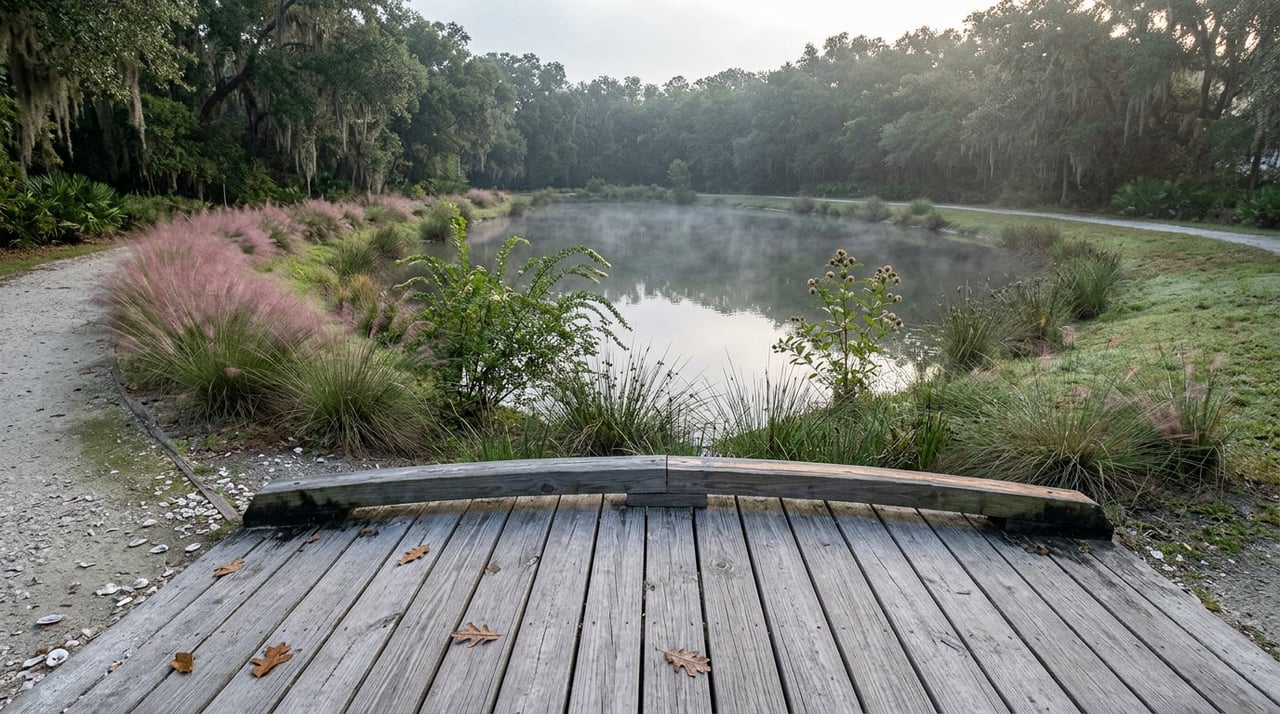
Someone on the I'On neighborhood board posted a short warning a few weeks ago. An alligator had been spotted on the marsh trail near the small bio-retention pond by the Creek Club. Be careful, the post said. That was the whole message. No follow-up about animal control, no thread of concerned replies asking whether the neighborhood was still safe for evening walks. Just one neighbor passing along a heads-up the way you'd mention a downed limb after a storm.
If you've walked that stretch on a summer evening, the shrug makes sense. The gator wasn't new information about I'On. It was a reminder of something residents have understood since the first houses went up along Hobcaw Creek and Shelmore Creek: the water running through this neighborhood isn't landscaping. It's tidal marsh with its own residents, and the sidewalks just happen to run alongside it.
The Two-Minute Rule Behind I'On's Design
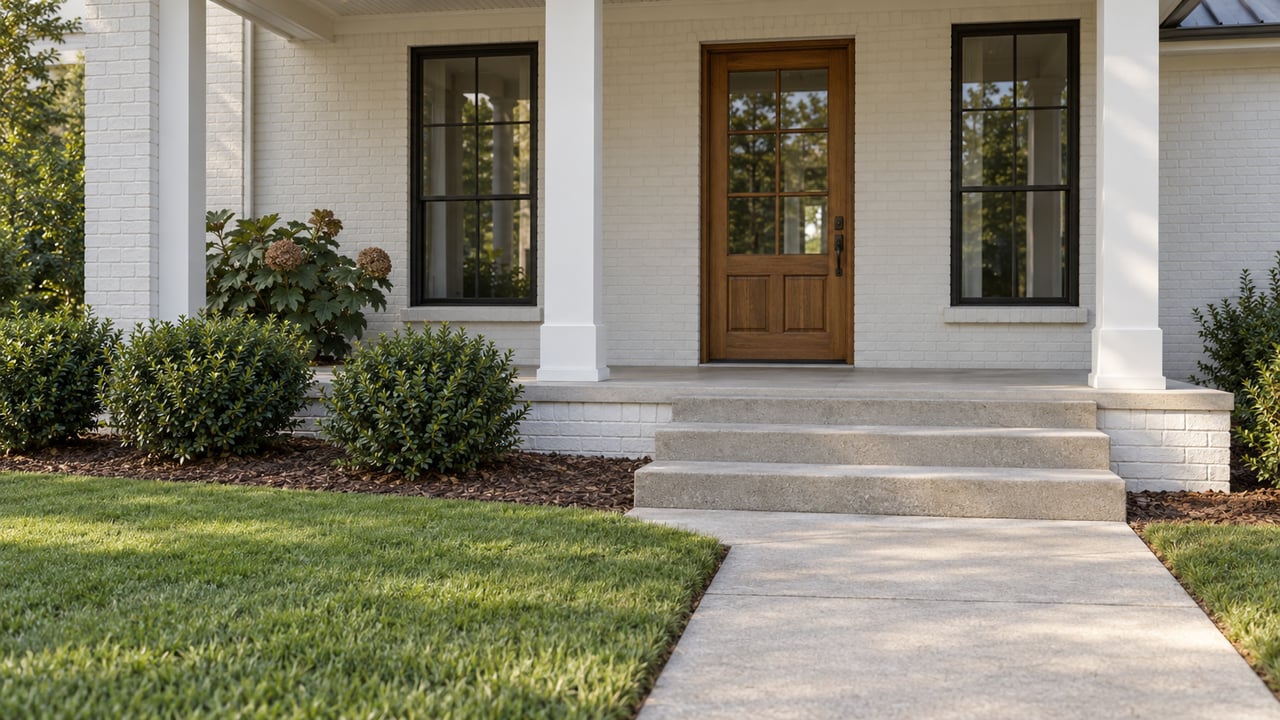
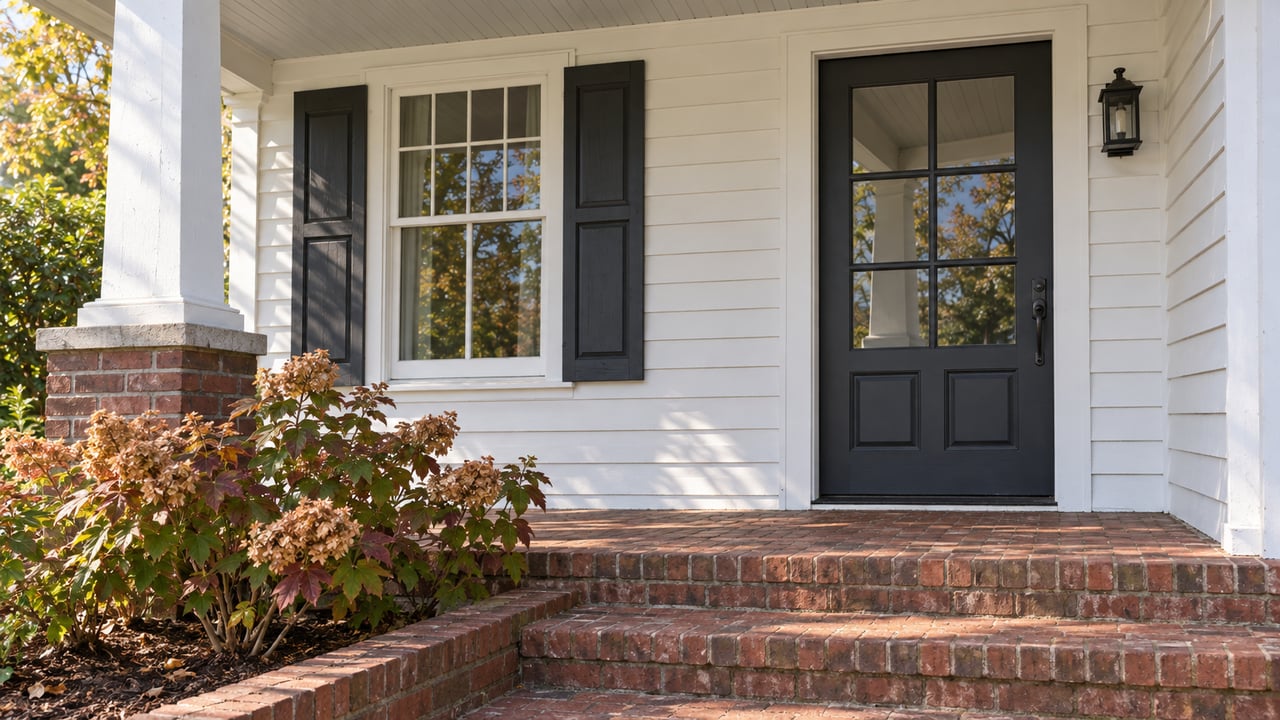
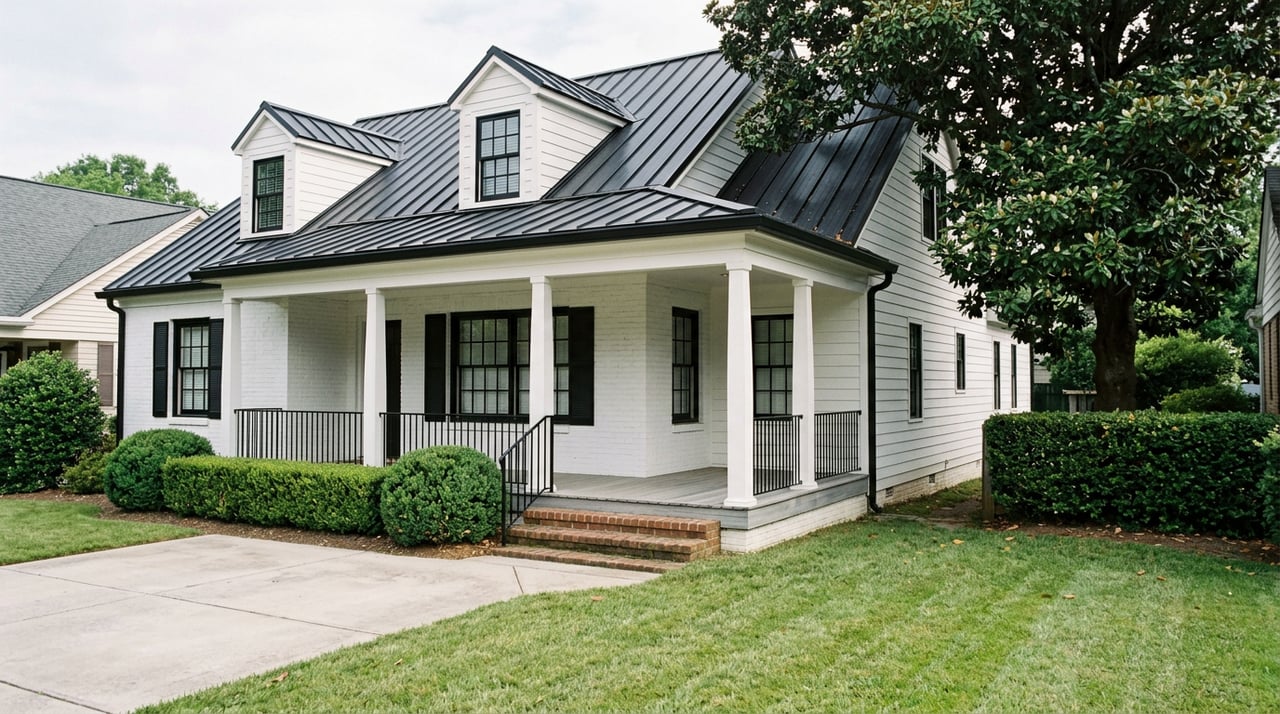
I'On was built on New Urbanist principles from the start. Narrow, tree-lined streets. Wide sidewalks. Front porches pulled close enough to the road that neighbors actually talk to each other walking by. The neighborhood's own description of itself puts a number on the design intent: from almost any point in I'On, a resident is less than a two-minute walk from a public space, whether that's a pocket park, a lake edge, or a canal path.
That's the kind of line that reads like marketing copy until you check it against how residents actually describe their own neighborhood. On the local Nextdoor board, people who live in I'On rank their top interests as dogs, gardening and landscape, walking, home improvement, biking, and hiking and trails, ahead of things like live music or travel. That's not a curated brand voice. That's residents self-reporting what they spend their weekends doing, and it lines up almost exactly with what the two-minute rule was designed to produce.
What the Loop Actually Touches
A walk through I'On isn't one trail. It's a network stitched together from a handful of specific places, and knowing what's actually along the route changes how you use it.
- Lake I'On sits at the center of the neighborhood and functions as the put-in point for kayaking and paddleboarding, no boat trailer required.
- Pocket parks are scattered deliberately rather than concentrated in one central green, which is why almost no address in the neighborhood is more than a couple of minutes from one.
- The Creek Club gardens, planted with live oaks, palms, and azaleas along the bank of Hobcaw Creek, are open to the public for a walk even though the building itself operates as a private event venue booked mostly for weddings.
- The marsh boardwalk sections run close enough to the water that low tide brings the smell of pluff mud right up to the sidewalk, which is part of what makes the neighborhood feel connected to the creek rather than just adjacent to it.
- The boat ramp, tucked at the Creek Club site, is managed separately through the I'On Assembly. Residents register for a key or decal to launch a boat directly into the harbor by way of the two creeks, a detail that surprises people who assume Creek Club access means public water access.
None of this is exotic. It's the ordinary infrastructure of a small, water-adjacent neighborhood. What makes it worth naming is that most of it sits inside or immediately beside wetland edges, which brings us to the part of the story that has nothing to do with weekend recreation and everything to do with why those ponds exist at all.
The Ponds Just Became a Town Hall Topic
In April 2026, Mount Pleasant's town council began work on an ordinance to strengthen protections for isolated wetlands, the category of wetland that lost federal protection following a recent Supreme Court ruling. These are the ponds and low-lying pockets that aren't directly connected to a river or major waterway but still do the work of absorbing rainfall and filtering runoff before it reaches the creeks and the harbor.
As Live 5 News reported, Council member John Iacofano put the stakes plainly:
"We're not building any more wetlands. We've got to preserve what we have."
That statement wasn't about I'On specifically. It was about Mount Pleasant's Greenspace Preservation and Protection Plan broadly. But the category of feature the town is trying to protect, small isolated wetlands and retention ponds that no longer carry automatic federal protection, describes exactly the kind of water feature that shows up throughout neighborhoods built the way I'On was built. The bio-retention pond where the alligator turned up isn't a landmark. It's a small, isolated wetland doing quiet infrastructure work, and it's precisely the kind of pond the town is now deciding how to regulate going forward.
Most people walking past it on a Tuesday evening aren't thinking about which regulatory category their neighborhood pond falls into. That's fair. But it's worth knowing that the water shaping your daily walk isn't just scenery. It's actively part of a conversation happening at Mount Pleasant town hall this year, one that will determine how much protection ponds like this one keep getting as the town continues to grow.
A Regular Saturday, Reconsidered
Put it together and an ordinary loop through I'On looks different. A dog walk that passes three pocket parks before turning back isn't just a pleasant route, it's the two-minute rule working as designed. A kayak launch at Lake I'On a Saturday morning isn't a special outing, it's what the lake was built into the neighborhood to make normal. A stroll through the Creek Club gardens on a weekday evening, live oaks overhead and azaleas along the path, is open to anyone, resident or not, because that's how the grounds were set up from the start.
And the neighborhood-board warning about the alligator isn't an anomaly in an otherwise tame suburban development. It's a small, honest acknowledgment that the water threading through I'On was never fully tamed, and that the town is now paying closer attention to keeping it that way.
That's the piece worth sitting with. I'On's trails don't feel different from a standard subdivision sidewalk because of the architecture alone. They feel different because the water running beside them is still doing what water does, and this is the year Mount Pleasant started considering how policy could protect it rather than treating it as scenery.
If you're weighing a move to the Lowcountry or the Charlotte corridor and want a local read on how a neighborhood like this actually lives day to day, not just what the listing photos show, PRL Consulting Group is a good place to start that conversation. Request a market valuation or project consultation whenever you're ready to talk specifics.
This article is general information, not legal, tax or financial advice. Consult a qualified professional about your situation.