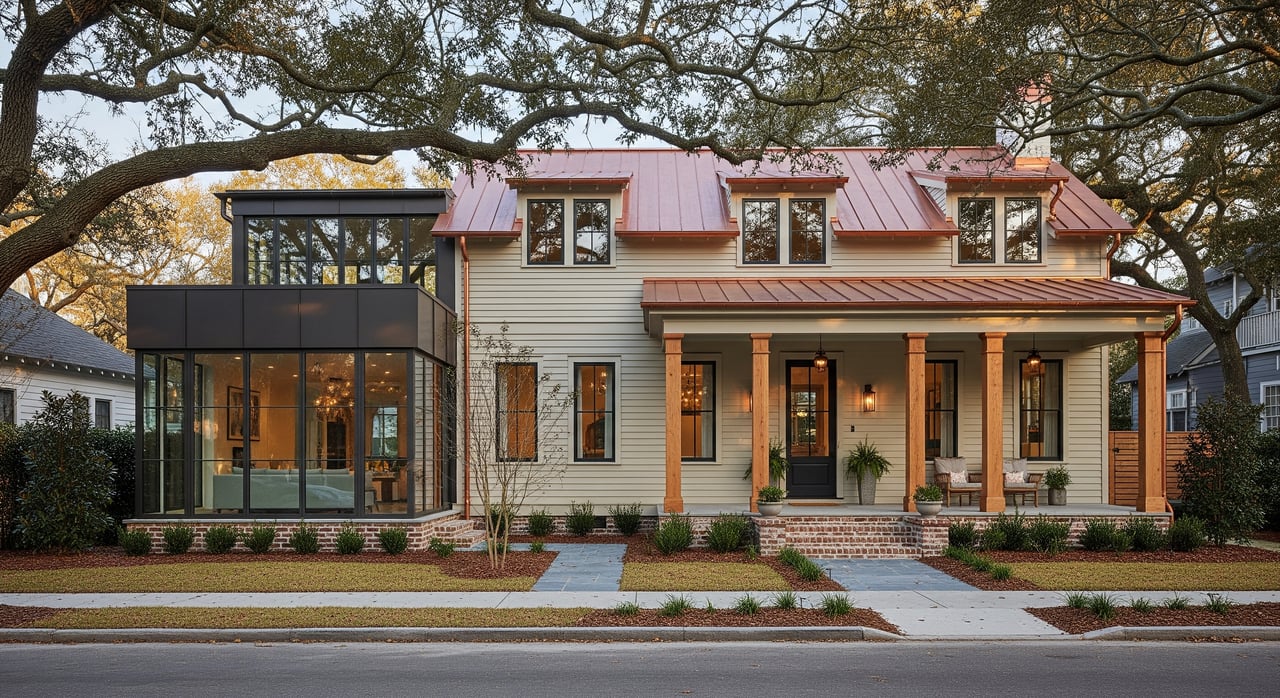
Thinking about updating your Old Village home before you sell? You want top dollar, but you also want to protect the character that makes 29464 special. The right projects can do both when they fit the historic streetscape and solve everyday livability gaps. In this guide, you’ll learn which renovations typically pay in Old Village, how much they cost, and how to position your home for a smooth sale. Let’s dive in.
What buyers expect in Old Village
Buyers are drawn to porches, mature oaks, walkability, and the authentic charm of historic cottages. They also want modern function in the kitchen and bathrooms, a comfortable primary suite, and practical parking. Your best returns usually come from updates that preserve the façade and porch presence while improving daily living inside.
Porches and outdoor living
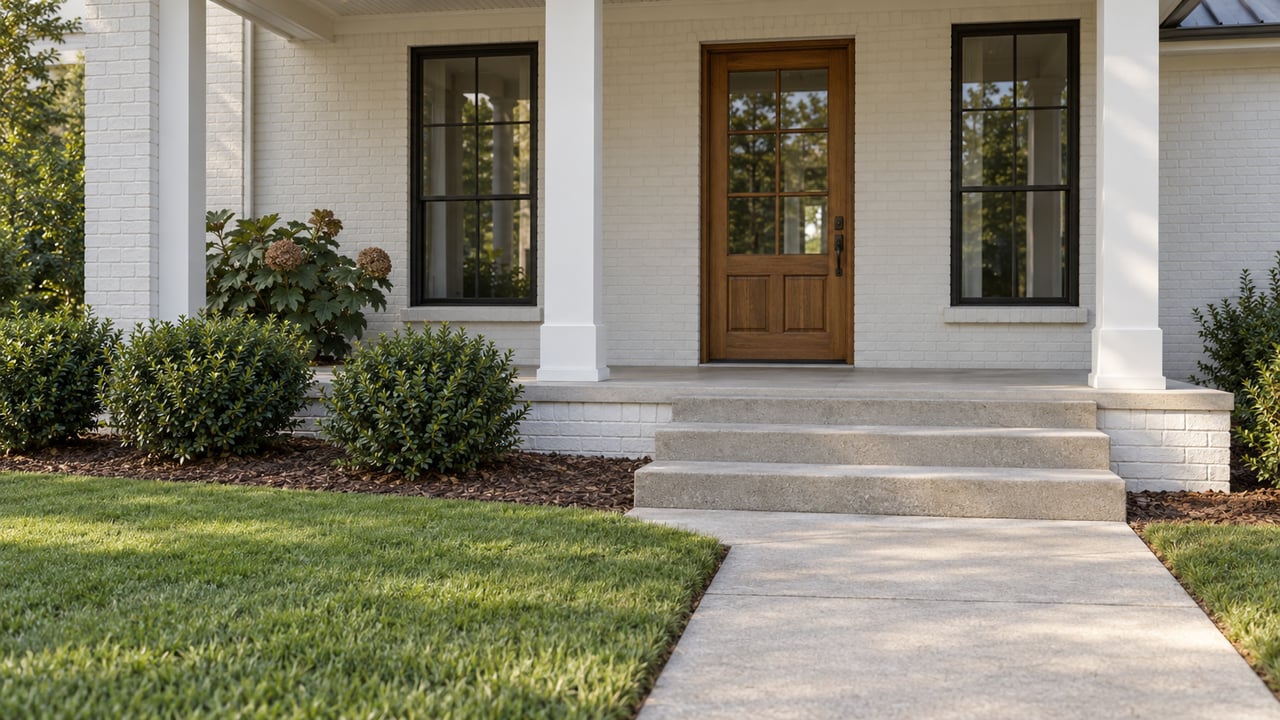
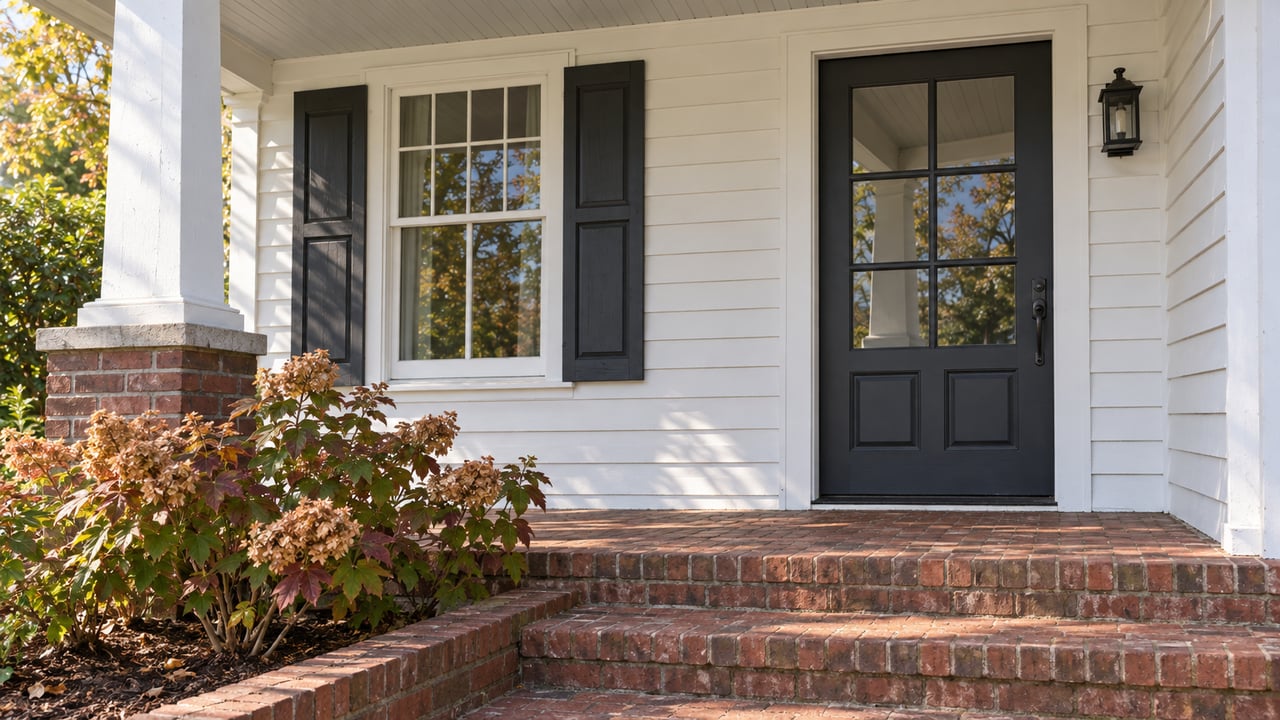
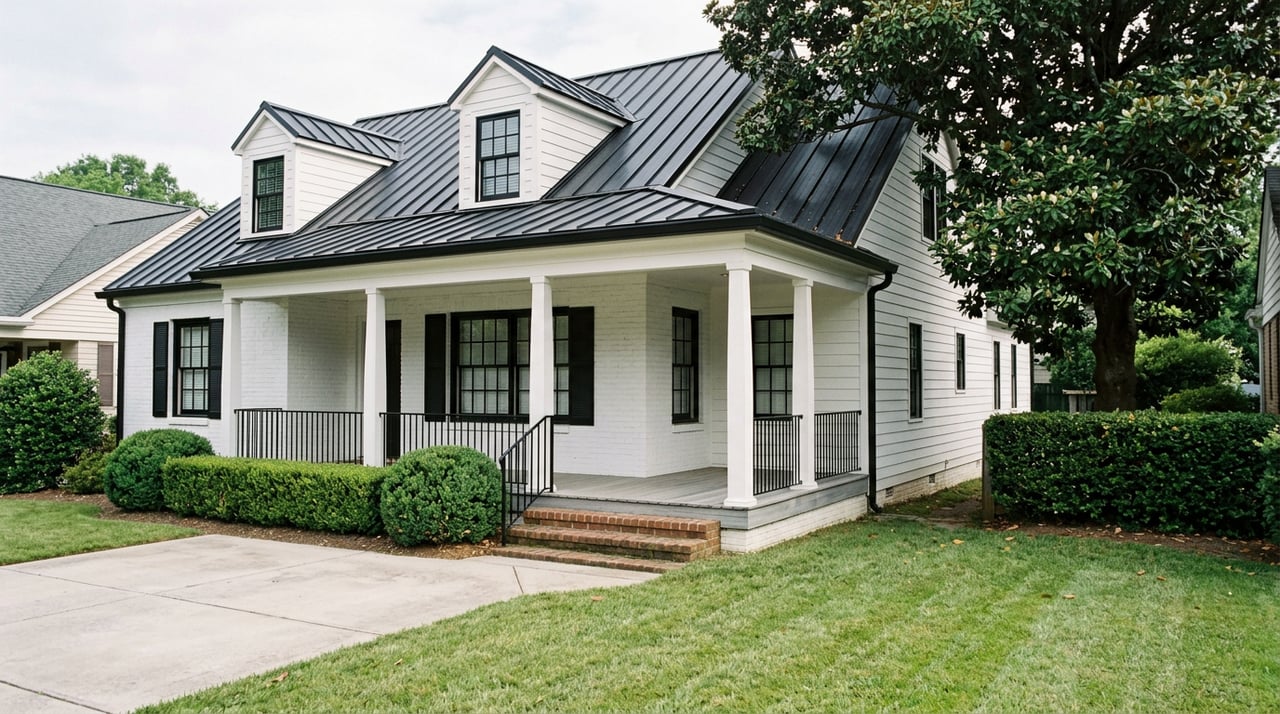
Porches are a signature feature here, and they often drive emotional appeal. Restoring or rebuilding a period-appropriate front porch can lift curb appeal and help your home stand out. Rear screened or covered porches extend living space and are a favorite with Old Village buyers.
- Low-cost refresh: $5,000–$15,000 for decking repairs, paint, and fans
- Midrange screened porch or rebuild: $25,000–$60,000 with new structure, screens, and lighting
- High-end addition: $60,000–$150,000+ for enclosed spaces and major structural work
Keep materials and proportions in line with historic details. Visible exterior changes typically need Historic District Commission approval, so plan timelines accordingly.
Kitchen refresh that respects history
A dated kitchen can slow showings, but you do not always need a full gut. Midrange updates often deliver strong appeal without overpowering a small cottage.
- Low-cost refresh: $8,000–$20,000 for counters, hardware, lighting, faucet, and paint
- Midrange remodel: $30,000–$80,000 for semi-custom cabinets or refacing, new appliances, and improved layout
- High-end gut: $80,000–$200,000+ when scale and comps support it
Industry data often shows midrange kitchen projects recoup roughly 50 to 70 percent of cost at resale. In Old Village, a tasteful, right-sized kitchen that ties to porch living and natural light can also reduce time on market.
Primary suite improvements
Many older homes here have compact bedrooms and dated baths. Reworking the primary suite can be a smart play, especially for end users and downsizers.
- Reconfigure or update bath: $10,000–$40,000 for better storage, fixtures, and light
- Add-on or expansion: $50,000–$200,000+ depending on size and integration
Place additions at the rear or on a setback second level to protect the historic frontage. Rooflines and exterior materials should match the home’s scale. Approvals and permits apply for structural work.
Parking that buyers value
Off-street parking is limited on narrow lots, so even a simple solution helps. Buyers appreciate the certainty and convenience.
- Permeable paver or paved pad: $3,000–$12,000 placed to the side or rear
- Carport or detached single-bay garage: $15,000–$60,000 with careful placement
- Larger garage with space above: $100,000+ with higher regulatory scrutiny
Position parking to minimize street impact and confirm impervious surface and stormwater rules. HDC review may apply for visible driveways and outbuildings.
High-ROI small projects
Sometimes the best returns come from simple, fast work that elevates presentation and peace of mind.
- Paint, trim, and minor exterior repairs: $5,000–$20,000 for strong curb appeal
- Entry and landscape refresh: period-appropriate door, lighting, numbers, and plantings
- Systems updates: HVAC, electrical, and plumbing in safe working order
- Window repair and weatherization: often favored over full replacement when feasible
- Bathroom refresh: neutral tile, new vanity, and updated fixtures
These projects help your photos pop and ease buyer concerns during inspections and disclosures.
Budget and return quick reference
Use these ranges as planning guides. Actual bids vary with scope, materials, contractor schedules, and approvals.
- Porches and outdoor living: $5,000–$150,000+; high buyer appeal in Old Village
- Kitchens: $8,000–$200,000+; midrange commonly recoups a meaningful share
- Primary suite: $10,000–$200,000+; strong when integrated without harming character
- Parking: $3,000–$100,000+; improves marketability and reduces objections
- Paint and repairs: $5,000–$20,000; often the best per-dollar curb appeal
Well-executed exterior work that preserves historic character can deliver outsized buyer response here, even if national recoup tables are conservative.
Approvals, permits, and site rules
Old Village is a locally designated historic district. Exterior work visible from public ways often needs Historic District Commission review and a Certificate of Appropriateness. Plan for submittals, meeting dates, and material samples.
Structural changes, additions, significant porch rebuilds, and new garages need building permits and inspections. Some blocks lie in coastal flood zones, where elevation and FEMA considerations may shape design and placement. Stormwater and impervious coverage limits can make permeable pavers a smart choice for driveways and pads.
Contractor timelines and sequencing
Renovation demand across the Charleston area remains strong, and historic trades are in high demand. Expect longer lead times and line up millwork, porch columns, and roofing early. Build in contingency for HDC reviews and specialty materials.
Smart sequencing avoids rework. For example, address exterior repairs and systems before paint, then complete porch and kitchen refreshes, and finish with staging.
How to market your improvements
Create a clear documentation package. Keep permits, HDC approvals, contractor invoices, and warranties together. Before and after photos help buyers understand your choices and quality.
Highlight porch square footage, screening, ceiling fans, and lighting. In the kitchen, call out counters, appliances, and lighting upgrades. If you added off-street parking, feature it prominently in listing copy and showing notes.
Pricing with comps in 29464
Avoid over-improving beyond the neighborhood bracket. Compare your plan to recent Old Village sales with similar porch scale, kitchen finish, and parking solutions. Use cost ranges to judge if a project moves your home into a higher comparable set.
If you are considering a major addition or high-end kitchen, consult a local agent and, when useful, an appraiser to confirm likely resale impact before you commit.
Common pitfalls to avoid
- Oversized kitchens or islands that overwhelm cottage scale
- Visible garages or driveways that disrupt the streetscape
- Unpermitted work that creates delays or buyer distrust
- Full window replacement when repair and weatherization would preserve character
- Additions that alter the historic front façade
Staying true to the home’s scale while solving daily livability needs is the sweet spot.
Next steps
- Define your top goals: faster sale, higher price, or both
- Walk the property and list issues by curb appeal, function, and systems
- Get 2 to 3 contractor bids for each priority project
- Confirm HDC requirements and expected timelines
- Align scope with local comps and your target listing window
If you want a pragmatic plan tailored to your home and block, we can help.
Ready to prioritize renovations that pay in Old Village and protect your timeline? Request a Market Valuation or Project Consultation with PRL Consulting Group, LLC.
FAQs
Do porch projects in Old Village need approval?
- Yes, visible exterior changes typically require Historic District Commission review and a Certificate of Appropriateness.
Which Old Village kitchen updates bring the best ROI?
- Midrange refreshes like counters, lighting, hardware, and appliance updates often deliver strong appeal without over-improving a historic cottage.
How much does adding parking help resale in 29464?
- Even a modest off-street pad can reduce buyer resistance and days on market, especially on narrow lots with limited street parking.
Is a full primary-suite addition worth it in Old Village?
- It can be, if the design preserves the historic frontage and aligns with local comps; rear or setback additions usually work best.
Should I replace historic windows before selling?
- Often you should repair and weatherize first; buyers frequently value original windows when in good condition and properly maintained.
What documents should I give buyers for recent renovations?
- Provide permits, HDC approvals, contractor warranties, and before and after photos to support quality and help justify your price.