Thinking about moving to Daniel Island, but not sure what day-to-day life really feels like? You are not alone. Many buyers love the idea of island living near Charleston, then wonder about schools, commutes, flood insurance, and where they will grab dinner on a weeknight. In this guide, you will learn how the community is planned, what amenities you can expect, how people get around, and what to consider before you buy. Let’s dive in.
Daniel Island at a glance
Daniel Island is a master-planned community in the Charleston metro, located in Berkeley County. It is designed for convenient living with a defined village center, tree-lined streets, and a network of parks, trails, and athletic fields. You will find a mix of single-family homes, townhomes, and condos organized under community design standards.
Much of the island is set up to be walkable in certain pockets, especially near schools and the village center. Community associations and homeowners’ associations help manage architectural guidelines, common areas, and events. That planning creates a polished feel and predictable upkeep, while also adding HOA rules and fees that you will want to review during due diligence.
Daily rhythm and amenities
Parks and trails
Expect a high concentration of parks, playgrounds, and paved paths. Families use these spaces for everyday play, youth sports, and casual meetups. The planned layout makes it easy to step outside for a walk or bike ride without leaving the island.
Village center and retail
The village center brings together daily conveniences like groceries, coffee, casual restaurants, and professional services. It covers most weeknight needs within a short drive or walk, depending on where you live on the island. For deeper shopping trips and big-box stores, many residents head to larger retail hubs in nearby suburbs off-island.
Dining and social life
You will find a range of casual dining, cafes, and family-friendly spots around the village and waterfront areas. Fine dining is available across the Charleston area with short drives. Social life often revolves around parks, neighborhood events, school activities, and clubs.
Water and waterfront recreation
The island’s setting along marshes and rivers is part of its draw. Daily life includes boardwalk strolls, kayaking, paddleboarding, and fishing at select access points. Marina slip availability and public launches can be limited, so confirm options and rules if boating is central to your lifestyle.
Fitness and golf
Between fitness studios, sports complexes, and multi-use paths, staying active is straightforward. At least one private or semi-private golf option is in or near the island. Membership policies change, so verify current access and costs before you plan your routine around a specific club.
Community events and culture
Events are frequent and tend to bring neighbors together. Think seasonal festivals, farmers’ markets, holiday parades, youth sports, and camps. Many residents also engage through association meetings and volunteer groups that shape island life.
Schools and childcare
Daniel Island is served by the Charleston County School District. Elementary and middle grades are located on or near the island in many cases, while high school assignments are typically off-island. Boundaries can shift with rezoning, so always verify current assignments and capacities with the district.
Families who consider private or parochial schools often commute to options in Mount Pleasant, Downtown Charleston, or other nearby areas. For younger children, daycare and preschool availability can be tight in planned communities. If childcare is a priority, start inquiries early, ask about waitlists, and confirm hours and pickup policies.
Organized youth sports and after-school programs are common across the island and broader metro. Registration windows and costs vary by season and sport, so keep an eye on sign-up dates to secure your spot.
Housing and market context
Home types and architecture
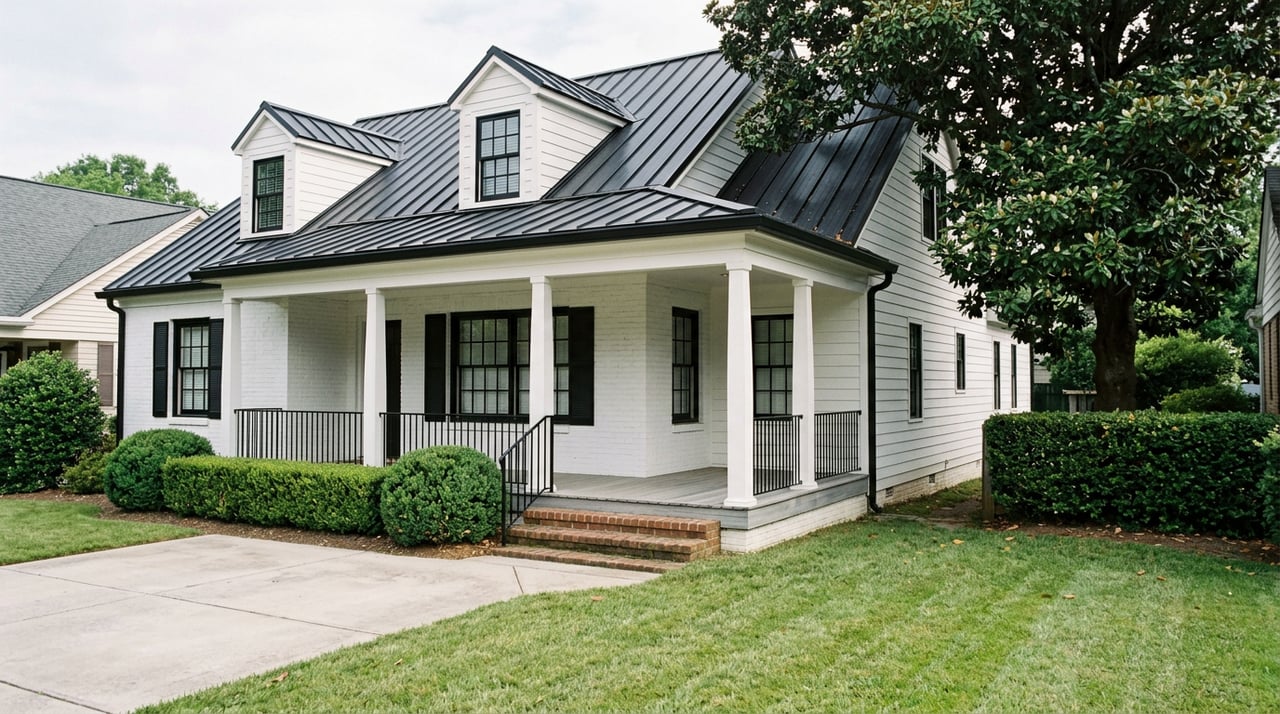
Housing spans single-family homes, townhouses, and condos, with coordinated architectural styles under design guidelines. Newer phases may offer contemporary floor plans and systems, while earlier sections can have different lot sizes or architectural details. If you care about yard size, storage, or workspace, walk a range of neighborhoods to see how layouts vary.
Pricing and demand perspective
Daniel Island typically commands premium pricing within the Charleston metro given its planning, amenities, and proximity to major employment centers. Market conditions change quickly, so review recent sales, price-per-square-foot trends, and days on market with your agent. Island homes often draw interest from families, professionals, and second-home buyers, which supports resale demand in many segments.
HOA fees and ownership costs
Most properties on the island include HOA or community association fees for common space maintenance, management, and amenities like trails and parks. Townhomes and condos often carry higher monthly fees than single-family homes. Budget for flood insurance where required, possible architectural review fees for exterior changes, optional club memberships, and local property taxes.
Rental rules and resale
Association rules vary by neighborhood and building. Some communities limit short-term rentals or set minimum lease lengths. If you plan to rent at any point, verify the rules upfront to avoid surprises. Resale dynamics are influenced by school access, commute convenience, and the island’s amenity set, which tend to attract consistent buyer interest.
Getting around and commute
Daniel Island links to the mainland through a small number of arterial roads and bridges that feed into major highways serving Mount Pleasant, North Charleston, and Downtown Charleston. Commute times depend on time of day and can be influenced by events and peak traffic. Many residents consider the drive to downtown manageable compared with farther suburbs, but it is still smart to test your route at the times you would actually commute.
Public transit options are more limited than in urban cores. Some residents use bikes or e-bikes for short trips within the island and to schools or retail. Charleston International Airport is the nearest major airport, with drive times that vary by traffic and time of day. Parking is planned around the village center, though weekends and events can be busier.
Practical considerations for buyers
Flood risk and insurance
The island’s coastal setting makes flood risk a key part of due diligence. Check FEMA flood maps, base flood elevations, and any elevation certificates available for the home. Local insurance agents can estimate premiums based on property specifics. Also consider long-term sea-level and drainage planning when comparing homes.
Hurricane readiness and building standards
Ask about the home’s construction year, wind rating features, and any storm-impact upgrades like shutters or reinforced garage doors. Review community emergency plans and evacuation routes so you understand procedures well before storm season.
Property taxes and local services
Property taxes and services vary by jurisdiction. Review the latest assessments and what they include, and budget for any special district fees if applicable. Your agent can help you gather recent bills during due diligence.
Utilities and broadband
Water, sewer, electric, and gas providers vary. Broadband coverage is typically strong but can differ by street. If you work from home or stream frequently, test speeds at the property and confirm provider options.
Events, noise, and future development
Village events and sports activities can increase traffic and parking needs at times. If you prefer quieter settings, check a home’s proximity to fields, parks, and event venues. Ask about planned development or rezoning in and around the island, since new phases can affect traffic, school demand, and neighborhood character.
Try this before you buy
Use this quick checklist to pressure-test fit and costs:
- Commute trial: Drive your route to work and school during true rush hours.
- Walkability check: Walk from the home to the nearest park, trail, and village conveniences.
- HOA review: Read covenants and design rules for exterior changes, parking, and short-term rental policies.
- Flood diligence: Confirm flood zone, elevation, drainage features, and insurance scenarios.
- Insurance quotes: Compare homeowners and flood premiums for the specific address.
- School verification: Confirm public school assignments and transportation options with the district.
- Childcare plan: Call daycares and preschools for capacity, waitlists, and hours.
- Recreation access: Check marina slip options, boat launch rules, and seasonal sports registration dates.
- Tech test: Run a speed test and verify broadband providers if remote work matters.
- Weekend reality: Visit during a community event to see parking and traffic patterns.
Is Daniel Island a match for you
You might love Daniel Island if you want a planned, amenity-rich community close to Charleston’s job centers and cultural attractions. Daily life is convenient, with parks, paths, and a village center that puts many essentials close by. For many households, that mix of recreation, neighborhood events, and proximity to the city is the sweet spot.
You might look elsewhere if you want larger acreage, fewer association rules, or big-box retail on your doorstep. The island’s value comes from its planning, not from being a major commercial corridor. As with any move, the best decision is the one that fits your priorities, budget, and routine.
Ready to map out neighborhoods, compare HOA rules, or pressure-test flood and insurance details at the address level? Connect with PRL Consulting Group, LLC for a local, data-aware plan that aligns with your goals.
FAQs
How far is Daniel Island from downtown Charleston at rush hour
- Commute times vary with routes and traffic, so test your drive during the exact hours you will travel to set realistic expectations.
What types of homes are available on Daniel Island
- You will find single-family homes, townhouses, and condos, with coordinated design standards across neighborhoods and phases.
Are there public schools on Daniel Island and how are assignments set
- The area is served by Charleston County School District; verify current school zones and any rezoning updates directly with the district.
Do most homes on Daniel Island need flood insurance
- Requirements depend on flood zone, elevation, and lender guidelines; review FEMA maps and request elevation data for the specific property.
Is there enough shopping on the island for day-to-day needs
- The village center covers many daily essentials, while larger shopping trips typically happen at nearby off-island retail centers.
Can I use a Daniel Island property as a short-term rental
- Rules vary by subdivision and building; check HOA covenants and local regulations for minimum lease lengths and any rental restrictions.
What is the social scene like for newcomers on Daniel Island
- Many people meet neighbors through parks, community events, youth sports, and local clubs, which creates natural entry points for connection.