Wondering why homes in I’On can look different from one another, yet still feel like they belong on the same street? That is not accidental. If you are buying in I’On, or simply trying to understand what drives value there, it helps to know how the neighborhood’s architectural rules and lot types shape daily living, curb appeal, and what you can realistically do with a property. Let’s dive in.
What I’On’s design code is preserving
I’On was planned as a pedestrian-oriented neighborhood, not just a collection of individual homes. Its code focuses on memorable streets, civic spaces, and a cohesive public realm shaped by porches, frontage walls, sidewalks, street trees, and shared open spaces.
The community is organized into six boroughs: Eastlake, Ponsbury, Shelmore, Westlake, Montrose, and Ionsborough. Each borough is tied to a lake, park, waterfront, or similar landscape feature, which helps explain why the neighborhood feels layered and connected rather than repetitive.
The original planning vision also included narrow, slow-moving streets, curbing, a roundabout at the entrance, marshwalks, lakes, wetlands, and pocket parks. In practical terms, the code is trying to preserve a classic Lowcountry streetscape and a walkable neighborhood experience, not just a certain paint color or roofline.
Architecture in I’On is a shared language
One of the most important things to understand is that I’On does not enforce just one house style. Instead, the guidelines create a visual language built around traditional forms and materials.
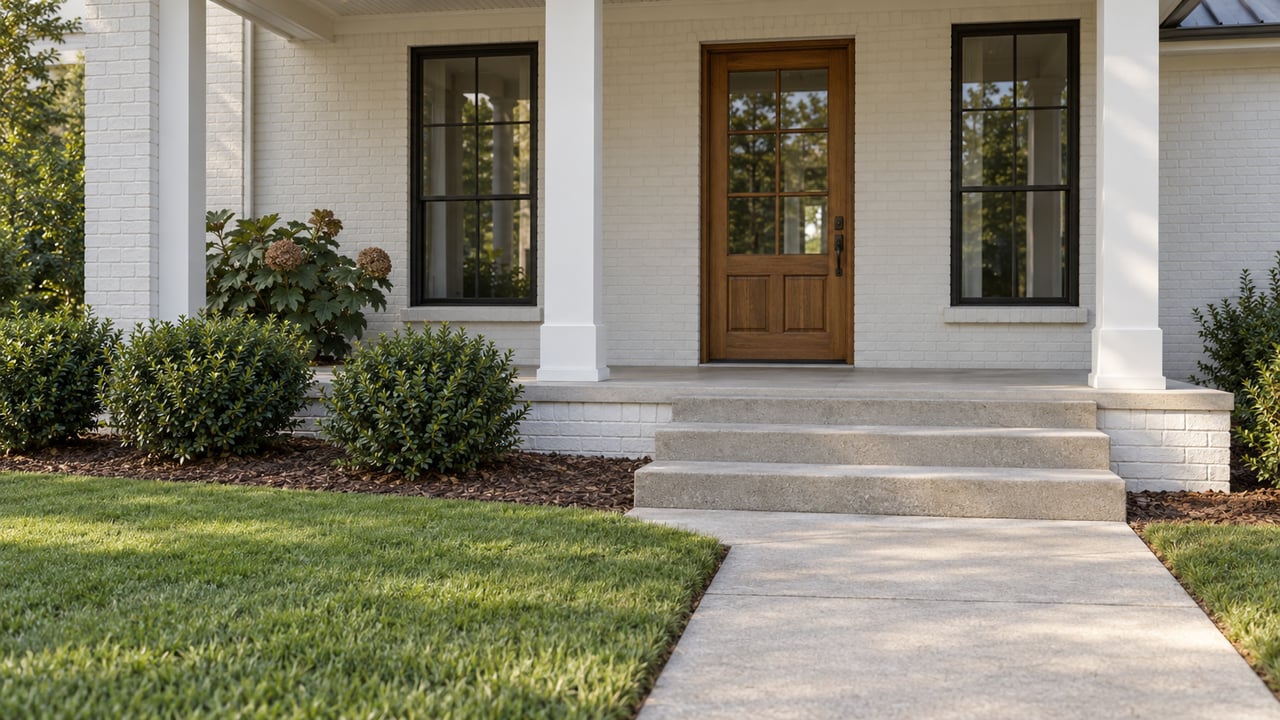
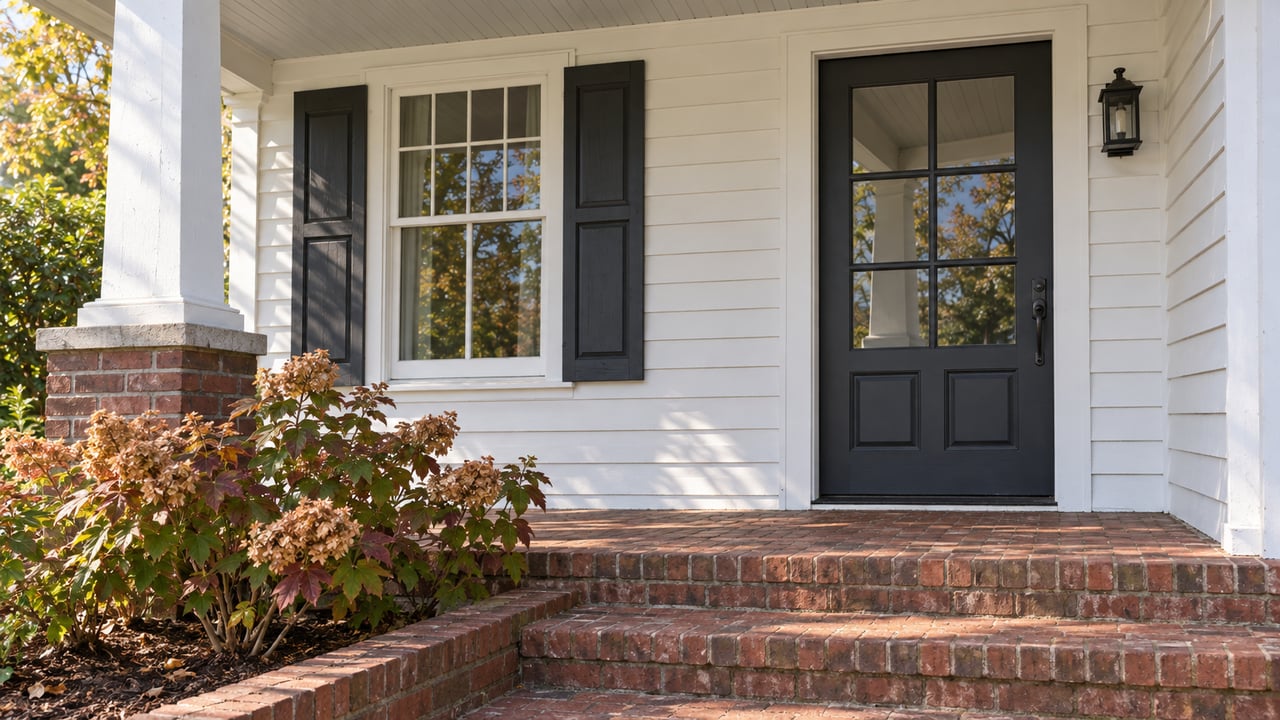
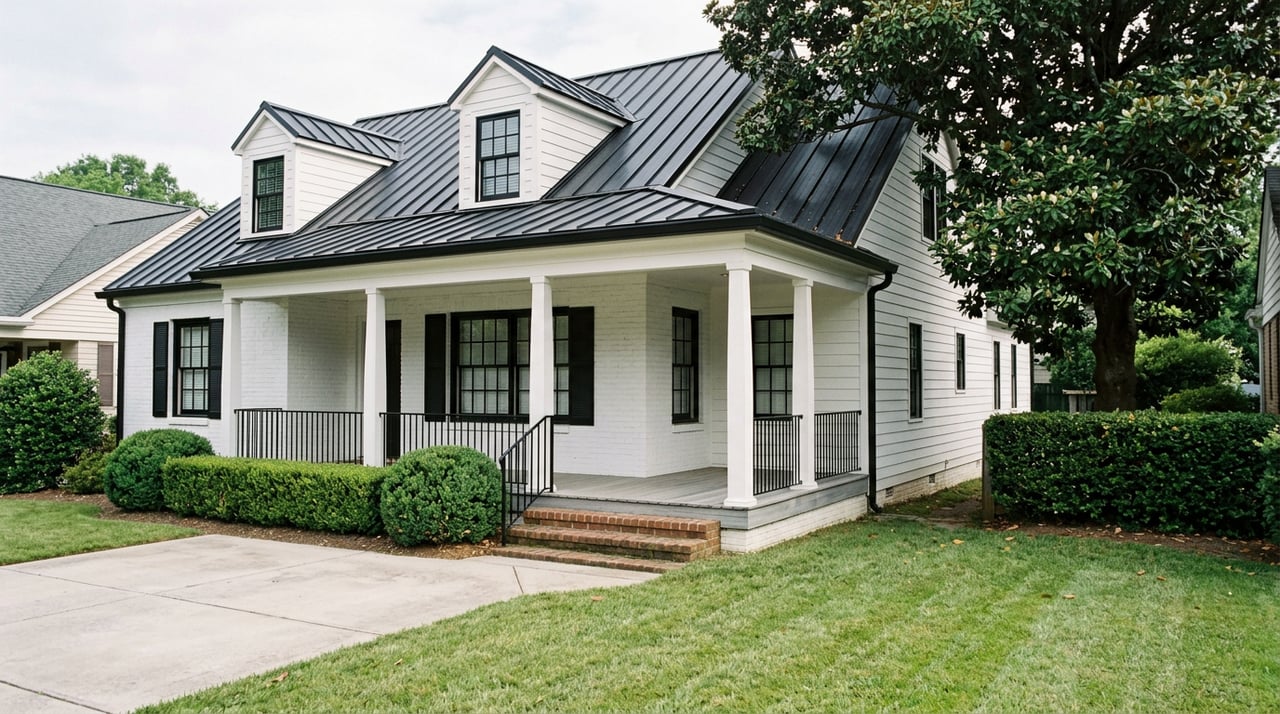
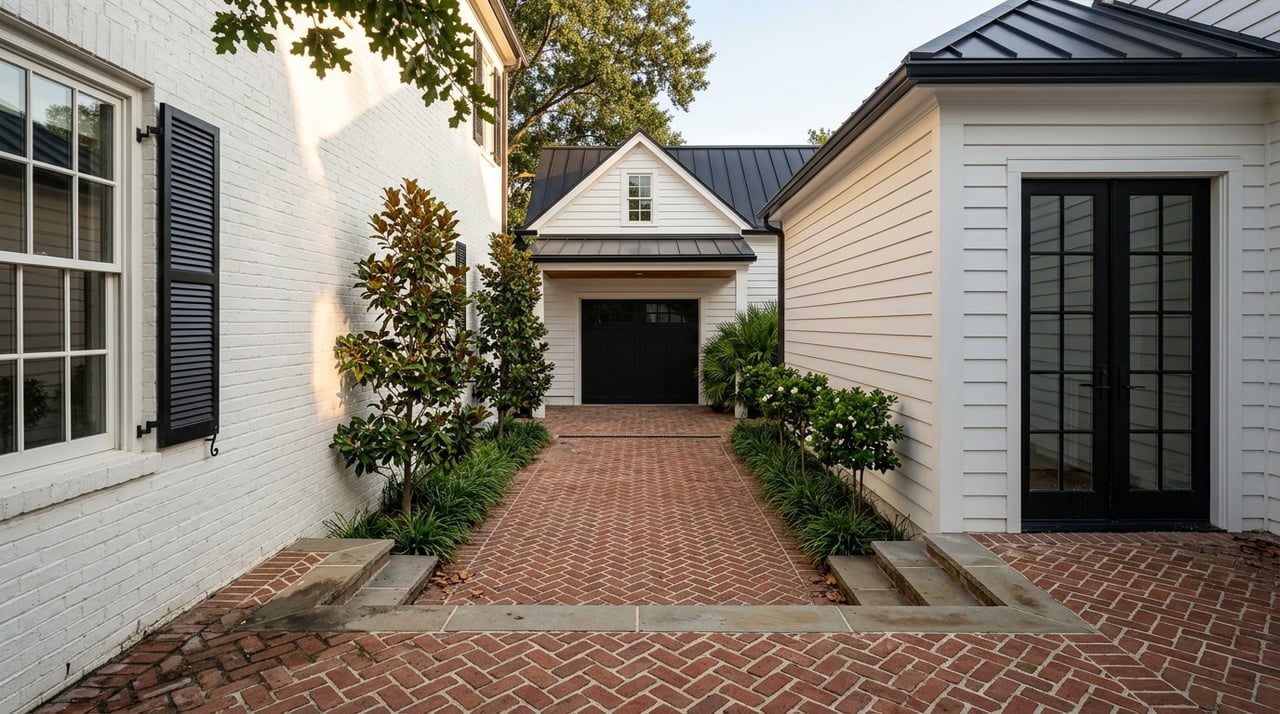
That language includes symmetrical facades or gabled and hipped roofs, deep porches, tall windows, classical column proportions, and exterior materials like wood clapboard, board-and-batten, brick, and stucco. The rules also limit porch and roof details that would read as too modern from the street, which helps keep the neighborhood’s exterior character consistent.
For you as a buyer, that means variety exists, but it shows up within a controlled framework. You may see Charleston single homes, Georgian-inspired facades, cedar-shingled Lowcountry houses, courtyard homes, or even European-influenced residences, but they are still expected to contribute to the same overall streetscape.
What buyers actually see on the ground
Current listings reinforce that I’On is best understood as a family of compatible styles. Examples in the market include a Charleston single on Ionsborough Street, a Georgian-style lakefront home on Fernandina Street, a cedar-shingled waterfront home on Krier Lane, and courtyard-focused homes with more Mediterranean or European influence.
Even when the styling changes, the neighborhood still leans heavily toward Lowcountry tradition. Listing descriptions often highlight details like double porches, shiplap siding, carriage houses, courtyards, and strong exterior presentation, which tells you how much the outside of the home matters in this market.
That matters for resale too. In I’On, buyers are often comparing different versions of traditional coastal architecture rather than choosing between completely different architectural eras.
Why lot type matters so much
If you are evaluating a home in I’On, the lot type may matter nearly as much as the square footage. That is because the official lot classification affects setbacks, building placement, lot coverage, outdoor space, and sometimes the overall feel of the property.
The Town of Mount Pleasant zoning department determines the official lot type, and written approval is required for variances. So this is not just design language used in marketing. It is part of the regulatory structure that shapes what exists today and what may be possible later.
All-Yard lots: a classic detached feel
All-Yard building lots are at least 36 feet wide, have a 0-to-25-foot build-to zone, 5-foot side setbacks, and 40% lot coverage. Homes on these lots sit more centrally, with more substantial front and rear yards.
These lots also require a covered porch at least 8 feet deep, which supports the neighborhood’s porch-forward streetscape. If you want a more traditional detached-home layout and you do not mind maintaining more visible landscaping, this lot type may feel the most familiar.
From a lifestyle standpoint, All-Yard lots often offer a more open and balanced relationship between the house and yard. They can appeal to buyers who value outdoor presence from both the street and the rear of the property.
Side-Yard lots: connected to the street
Side-Yard building lots range from 36 to 63 feet wide, have a 0-to-9-foot build-to zone, 3-to-8-foot side setbacks, and 50% lot coverage. On these lots, the house occupies one side of the parcel while leaving open space on the other side.
That layout can create a more intimate, garden-like feel. It also keeps the home closely connected to the street, especially because the frontage line must be clearly delineated.
If you like the idea of outdoor space that feels more intentional and shaped, rather than spread around the house evenly, a Side-Yard lot may be a strong fit. These homes often feel efficient without losing charm.
Rear-Yard lots: compact and urban
Rear-Yard building lots are at least 27 feet wide and can be up to 70 feet wide. They have a 0-to-12-foot build-to zone, 3-foot side setbacks, and allow 60% lot coverage.
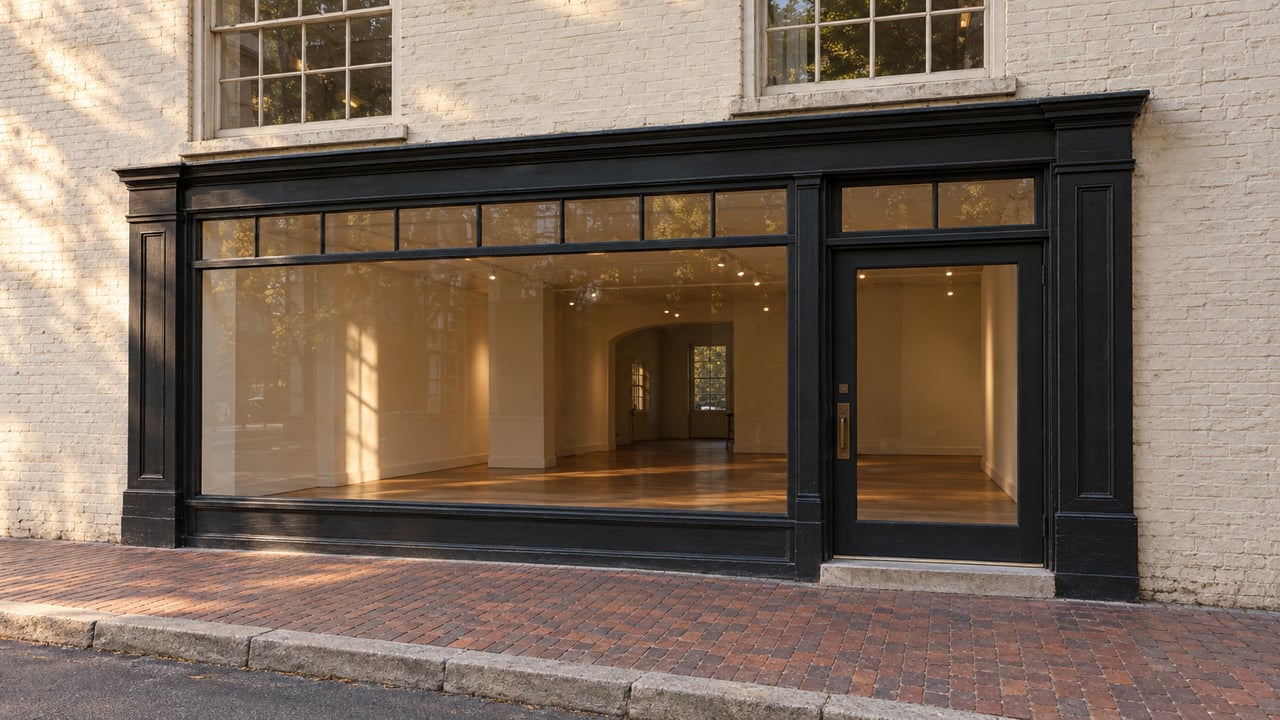
Here, the building sits at the front of the lot, leaving the rear for a private courtyard or parking area. Unlike All-Yard lots, Rear-Yard lots do not require front porches, and the guidelines note they can also accommodate shop or office use.
For some buyers, this is the most urban-feeling lot type in I’On. If you want less front-yard maintenance, stronger privacy in outdoor living, and a more enclosed setup, this format can be especially appealing.
Waterfront and marshfront lots follow extra rules
Waterfront and marshfront lots come with another layer of design considerations. In I’On, if a home faces water or marsh, that side is treated as the frontage rather than the street side.
That distinction affects more than appearances. Boats, watercraft, campers, RVs, and trailers must be parked behind the home and screened, and frontage walls or hedges along Eastlake, Westlake, and marsh edges must be low and non-solid.
The architectural rules are also tighter in visible ways. For example, Bahama or louvered shutters are prohibited on the front facade and front porch, with limited allowances on side or rear porches.
If you are considering a water-adjacent property, it is smart to pay close attention to exterior screening, upkeep expectations, and exact frontage rules by lot location. It is also worth verifying flood risk by address through FEMA’s Flood Map Service Center, which FEMA identifies as the official source for National Flood Insurance Program flood-hazard information.
How lot type affects everyday living
Lot type is not just a technical detail. It changes how you use the home and how the home presents itself to the neighborhood.
A centered house on an All-Yard lot may give you a more traditional sense of arrival and more visible yard space. A Side-Yard lot may feel more intimate and landscape-driven. A Rear-Yard lot may shift the focus toward a private courtyard and lower-maintenance front edge.
In a place like I’On, those differences can shape everything from privacy and entertaining to parking and landscaping needs. If you are comparing two similarly priced homes, lot placement and outdoor configuration may explain why one feels more right for your lifestyle than the other.
Market context in I’On today
The current market also helps explain why architecture and lot position matter so much. Redfin reports 8 homes for sale in I’On, with a median sale price of $2,199,260 in May 2026, up 7.5% year over year.
The neighborhood is described as not very competitive, with homes taking 121 days to sell and a 95.1% sale-to-list ratio. That suggests buyers may have room to evaluate tradeoffs carefully instead of rushing based on headline pricing alone.
Waterfront inventory is especially limited. Redfin shows 4 waterfront homes for sale in I’On, with a median listing price of $2.5 million and a typical market time of 82 days.
Recent sold examples show a wide price spread, from $1.29 million to $4.55 million. That spread suggests lot position, water adjacency, size, and renovation level can matter as much as bedroom count when buyers decide what a home is worth.
Micro-location changes the experience
Not every part of I’On lives the same way. Community rules identify commons and shared areas such as Maybank Green, Eastlake Field, the amphitheater, the rookery, the marsh trail, the community boat ramp, and walking paths around Eastlake and Westlake.
At the same time, some homes are marketed for easy access to village shops and restaurants, while others feel more tucked into lake, canal, marsh, or buffer-edge settings. So when you compare properties, it helps to think beyond style and square footage.
Ask yourself how you want your day-to-day life to feel. Do you want to be closer to the village core, or would you rather prioritize privacy, water adjacency, or a quieter edge condition?
What to evaluate before you buy
If you are seriously considering I’On, it helps to evaluate each property through both a design lens and a practical lens.
Here are a few smart questions to ask:
- What is the official lot type?
- How does the lot type affect setbacks, porches, yard space, and parking?
- Is the home street-front, water-front, or marsh-front under the code?
- What exterior elements may require approval if you want to make changes later?
- How much maintenance will the visible landscaping and screening require?
- How does the exact location affect walkability, privacy, and access to community features?
In a neighborhood this design-driven, those details can have a real impact on both enjoyment and resale. A home that looks similar at first glance may live very differently once you understand the lot and code framework behind it.
If you want help comparing homes in I’On, interpreting lot tradeoffs, or evaluating how architecture and location may influence long-term value, PRL Consulting Group, LLC can help you approach the search with clear, practical guidance.
FAQs
What architectural style is most common in I’On, Charleston?
- I’On is not limited to one exact style, but the neighborhood guidelines emphasize a Lowcountry traditional character with deep porches, tall windows, traditional materials, and classical proportions.
What are the main lot types in I’On?
- The main lot types are All-Yard, Side-Yard, and Rear-Yard lots, and each one affects building placement, setbacks, lot coverage, and outdoor living space.
What does a Rear-Yard lot mean in I’On?
- In I’On, a Rear-Yard lot places the home near the front of the lot so the rear can function as a more private courtyard or parking area, creating a more compact and urban feel.
Who determines the official lot type for an I’On property?
- The Town of Mount Pleasant zoning department determines the official lot type, and written approval is required for variances.
Do waterfront homes in I’On have different rules?
- Yes. Waterfront and marshfront homes in I’On follow added frontage, screening, and exterior design rules, including specific standards for walls, hedges, and where certain vehicles or watercraft can be parked.
How is the I’On real estate market performing?
- Redfin reports a median sale price of $2,199,260 in May 2026, with 121 days on market and a 95.1% sale-to-list ratio, while waterfront inventory remains limited and typically commands a premium.