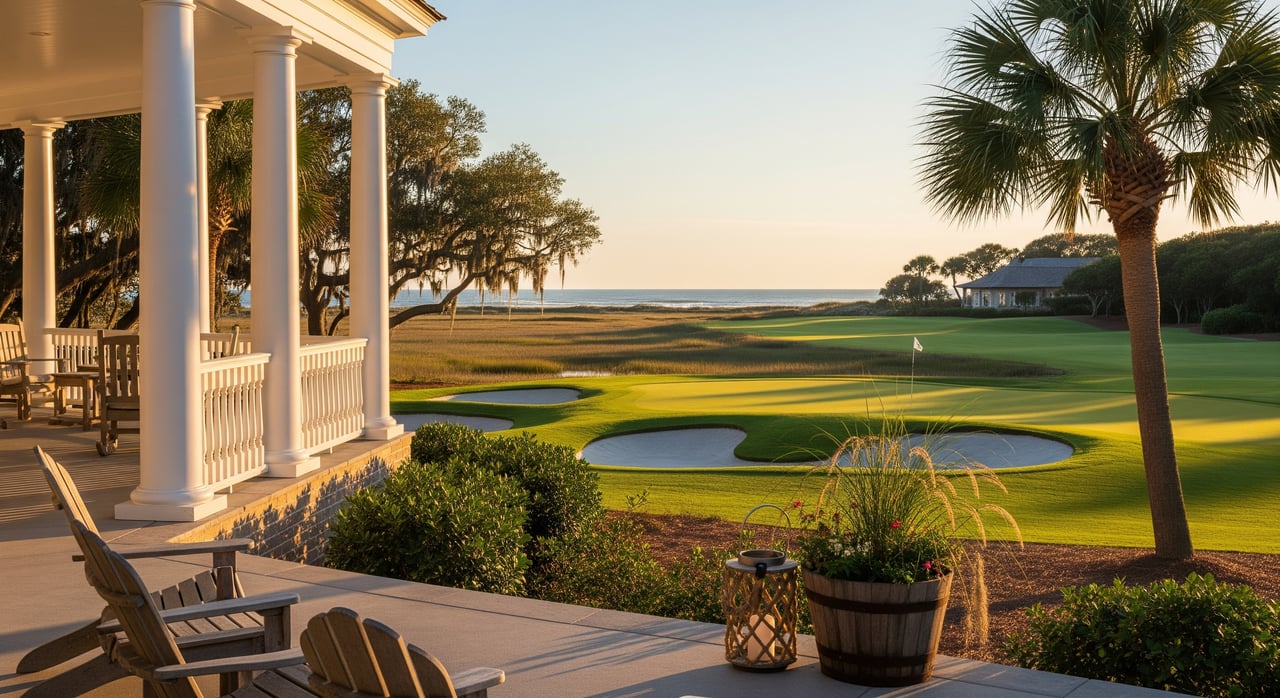
Ever wonder what daily life looks like when your neighborhood blends private beach walks with tee times and sunset creek cruises? If you are weighing a second home or a coastal move, DeBordieu Colony offers a rare mix of privacy, natural beauty and a full club scene. You want facts on amenities, homes, fees and rules so you can decide with confidence. This guide walks you through how life works here and what to verify before you buy. Let’s dive in.
Why DeBordieu attracts coastal buyers
DeBordieu Colony sits on South Carolina’s Waccamaw Neck between Pawleys Island and historic Georgetown. It is a gated, low‑density community with a strong tree canopy, dune and marsh preservation, and private oceanfront access for property owners and their guests. The setting feels quiet and protected, yet you are close to dining, culture and services in nearby towns.
The lifestyle blends resort comforts with residential calm. You get beach access, golf and racquet sports, boating opportunities, fitness, and an active social calendar through the private club. Many owners use homes seasonally, while others live here year‑round and value the security and community programming.
Beach life and access
Private beach access is a signature benefit. Paths over the dunes connect owners and guests to wide stretches of sand, with dune preservation guiding how and where you cross. Expect a well‑kept shoreline that favors early walks, family time and low‑key beach days.
Because access is private, crowds are limited compared to public beaches. Rules for use are set by the community and typically emphasize safety and conservation. If you plan to keep beach gear or consider dune walkovers at a homesite, review community guidelines in advance.
Golf at the heart of the community
A community golf course and club anchor social life. Many homes sit along fairways or near practice facilities, and you will find league play, lessons and events for a range of skill levels. If golf is central to your move, ask about membership tiers, initiation fees and guest policies.
Living on or near the course often commands a premium for views and convenience. If you prefer quiet and shade, interior or wooded lots can offer more privacy while keeping the course and clubhouse a short ride away.
Tennis, pickleball and fitness
On‑site courts and a fitness center support a daily routine that is easy to maintain. Programming typically includes lessons, clinics and social play for tennis and pickleball. It is common to have a seasonal schedule of events that builds community across age groups and interests.
Before you buy, confirm current court availability and any court reservation systems. If racquet sports are a high priority, ask for the event calendar and league participation to gauge fit.
Boating and water access
Tidal creeks and marshes frame large parts of DeBordieu, creating a natural playground for kayaking, paddleboarding and fishing. Nearby creeks and rivers offer broader boating routes and access to the Intracoastal.
Communities like this may provide boat ramps, slip options or marina arrangements. Capacity, waitlists and membership rules can change, so verify current offerings and any fees if you plan to bring a boat.
Club dining and social life
The private club provides dining, seasonal events and a steady social calendar. Expect themed dinners, holiday events and a mix of casual and more formal options. Many residents find the club becomes their hub for meeting neighbors and hosting guests.
If you entertain often, ask about private event spaces and booking policies. If you split time between homes, review any minimums, suspension options or reciprocity that might apply to your membership tier.
Home types and what drives value
You will find a range of property types:
- Oceanfront homes and dune lots with direct or near‑direct beach access.
- Marshfront and creekfront homes with broad water views and potential dock access nearby.
- Golf course homes lining fairways and greens.
- Interior and wooded lots with larger setbacks and privacy.
Value usually follows location. Oceanfront carries the highest premium, followed by marshfront or golffront, then interior. Lot elevation and buildability matter in coastal zones, and newer construction or well‑executed renovations with resilient features tend to command higher prices. Proximity to club amenities can be a plus if you want to walk or cart to dining and recreation.
Homes used year‑round may emphasize insulation, HVAC capacity and storage, while second‑home buyers often favor low‑maintenance materials and lock‑and‑leave features. If club membership is part of your plan, confirm availability and costs early, since it can influence both lifestyle and resale.
POA and club: how it works
Expect a two‑layer structure:
- Property Owners Association: Oversees covenants, security, common areas, dune and marsh protection, and Architectural Review Board (ARB) approvals.
- Private Club: Manages golf, dining, courts, fitness and social programming. Membership is typically separate from property ownership and governed by its own policies.
This setup is common in private coastal communities. Before you close, review both sets of documents so you understand your rights, obligations and access.
Costs and fees: what to expect
You will likely encounter several recurring and one‑time costs:
- POA assessments for security, roads, beach and marsh maintenance, insurance and management.
- Club initiation fees and annual dues, with tiers such as full golf or social.
- Transfer or capital contributions at sale in some cases.
- Special assessments for capital needs like beach renourishment or infrastructure.
Exact numbers change over time. Always request the current POA budget, dues history, reserve study and any pending assessments, and ask the club for its most recent fee schedule and membership terms.
Rules that could affect your plans
The ARB reviews new construction, exterior changes, pools, fencing and landscaping. Expect standards for materials, colors, setbacks and impervious surfaces that protect the community’s character and natural resources. Allow time in your schedule for submittals and revisions.
Short‑term rentals are often limited or regulated in private communities. If rental income matters, ask for the written policy that outlines minimum stays, registration and any owner‑occupancy rules. Also check rules for pets, parking, signage and exterior storage before you finalize your offer.
Risk and due diligence on the coast
Coastal homes frequently sit in FEMA flood zones such as AE or VE. Flood insurance and wind or hurricane coverage are key parts of your cost profile. Get a property‑specific flood report, confirm Base Flood Elevation, and request quotes from both NFIP and private carriers.
Ask about historical erosion, beach renourishment and any community‑funded mitigation projects. A survey with elevation data and an elevation certificate helps with underwriting and gives you a clearer picture of risk. For marsh‑adjacent sites, consider an environmental or wetlands consultation.
Infrastructure and utilities
Confirm whether the home uses community water and sewer or septic, and verify broadband options for work‑from‑home needs. Roads in private communities are usually maintained by the POA, which can influence budgets and reserve planning. Ask who services power and natural gas, and whether any utility easements affect future improvements.
Local context: schools, services and access
Public schools fall within the Georgetown County School District. For private education, families often look to options within the broader Grand Strand or Charleston regions. Always verify attendance boundaries for a specific address.
Primary healthcare is available in Georgetown and nearby towns, with larger medical centers in Myrtle Beach and Charleston for specialized care. For travel, Myrtle Beach offers regional commercial flights, while Charleston International provides broader national and international connections.
Buyer checklist: start here
- Get current POA and club documents, fee schedules and any pending special assessments.
- Confirm ARB timelines and design standards if you plan to build or renovate.
- Verify flood zone and Base Flood Elevation; request an elevation certificate and insurance quotes for flood and wind.
- Review recent POA meeting minutes, the reserve study and audited financials.
- Check rental policies if you plan to rent seasonally.
- Order a survey and coastal‑structure inspection for foundations, pilings and elevation.
Seller checklist: prepare to stand out
- Assemble POA and club disclosures, recent minutes, budgets and reserve details for buyers.
- Document repairs, renovations and any shoreline or dune work with permits.
- Provide an elevation certificate and insurance history to streamline contingencies.
- Highlight resilient features, recent upgrades and proximity to amenities.
Is DeBordieu right for you?
If you want a private, nature‑forward coastal setting with a full slate of beach, golf and club amenities, DeBordieu Colony checks many boxes. The community’s layered governance supports security and conservation, while the club centers social life and recreation. With the right due diligence on fees, insurance and rules, you can match a homesite to your lifestyle and long‑term plans.
When you are ready to evaluate options, compare properties across oceanfront, marshfront, golffront and interior settings, then align the right membership tier to your daily routine. If you are building, factor ARB timing and elevation into your schedule and budget.
Looking for practical, local guidance from search to closing? Connect with the team at PRL Consulting Group, LLC to Request a Market Valuation or Project Consultation. We help you review documents, coordinate inspections and position your move with clarity and confidence.
FAQs
What is the difference between the POA and the private club at DeBordieu?
- The POA manages community governance, security and common areas, while the private club oversees golf, dining, courts, fitness and social programming under separate membership terms.
How do flood zones and insurance affect DeBordieu homeownership?
- Many homes are in FEMA flood zones, so you should verify Base Flood Elevation, obtain an elevation certificate and secure flood and wind insurance quotes early in your process.
Are short‑term rentals allowed in DeBordieu Colony?
- Private coastal communities often regulate short‑term rentals with minimum stays and registration; request DeBordieu’s current policy if rental income is part of your plan.
What types of homes are most valuable in DeBordieu?
- Oceanfront properties generally command the highest premiums, followed by marshfront or golffront homes, with elevation, condition and proximity to amenities also driving value.
What fees should I expect when buying in DeBordieu?
- Plan for POA assessments, club initiation and dues based on membership tier, possible transfer or capital contributions, and occasional special assessments for capital projects.
What inspections are recommended for a DeBordieu purchase?
- Order a standard home inspection plus a coastal‑structure review for foundations and pilings, a survey with elevation data, and environmental guidance if near marshes.