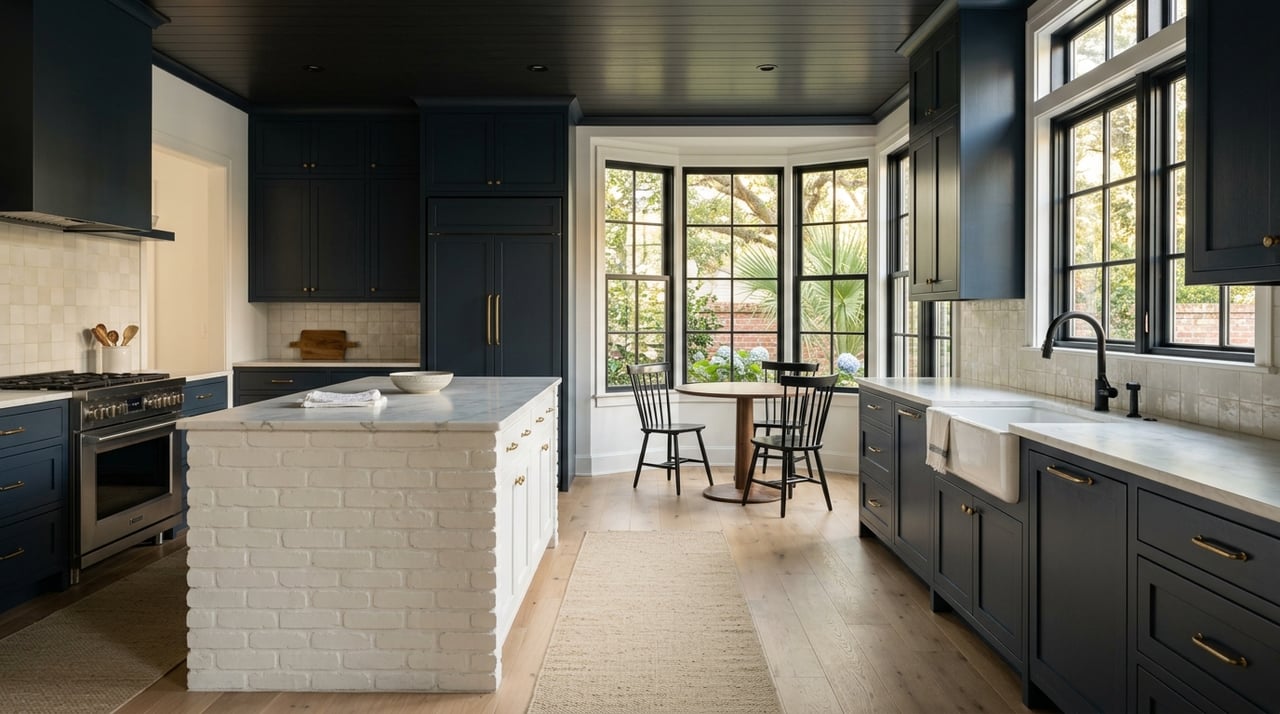
Wondering whether your renovated Old Village home will command a premium or raise tougher buyer questions? In a place as distinctive as Old Village, the answer usually depends on how well your updates improve daily living while still fitting the historic character buyers expect. If you are thinking about selling, this guide will help you position your renovation, prepare the right documentation, and price with the neighborhood in mind. Let’s dive in.
Why Old Village Works Differently
Old Village is not just another pocket of 29464. It is Mount Pleasant’s original village core, laid out in 1803, and the heart of the area was recognized as the Mount Pleasant Historic District and listed on the National Register of Historic Places in 1973.
That history shapes how buyers see value. The town’s guidance makes clear that the streetscape matters as much as any one house, with shade trees, front lawns, varied setbacks, and harbor views all contributing to the feel of the neighborhood.
For you as a seller, that means a renovated home is not judged only by square footage or finishes. Buyers are often paying for a lifestyle tied to history, waterfront adjacency, and walkability, along with the home itself.
What Buyers Notice First
In Old Village, exterior character tends to carry real weight. A home that feels connected to the block often makes a stronger first impression than one with flashy updates that seem out of place.
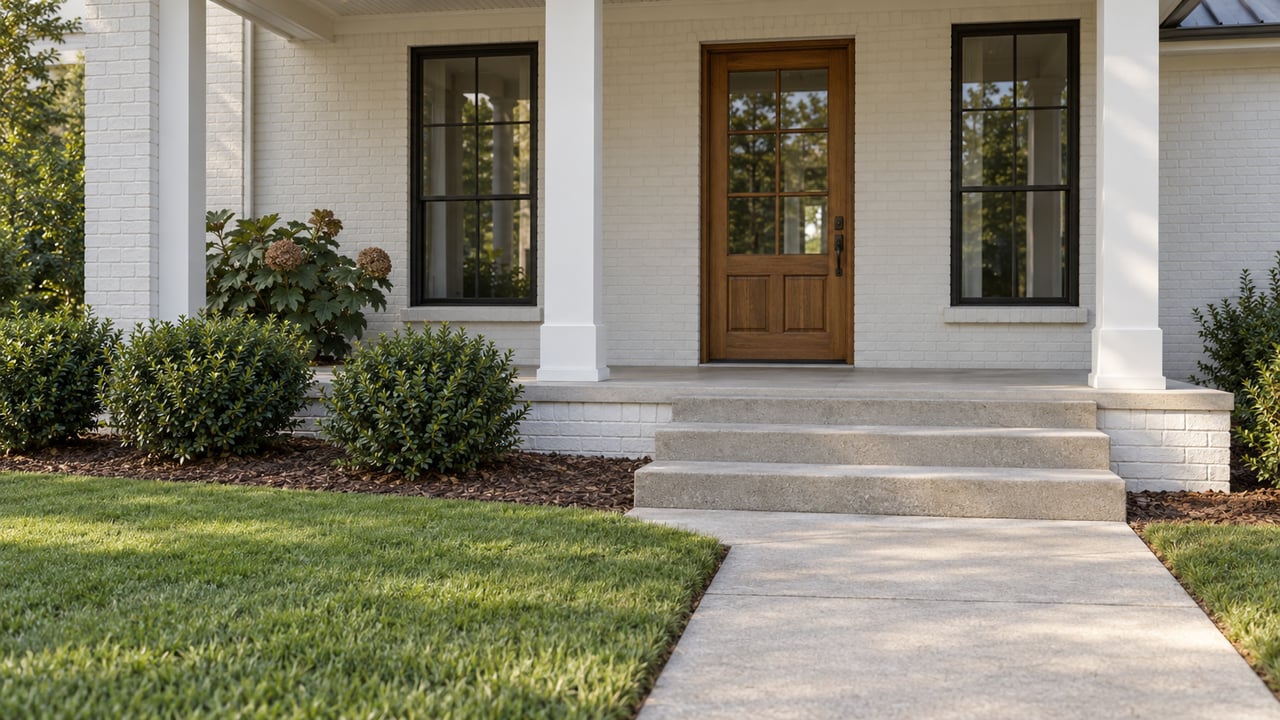
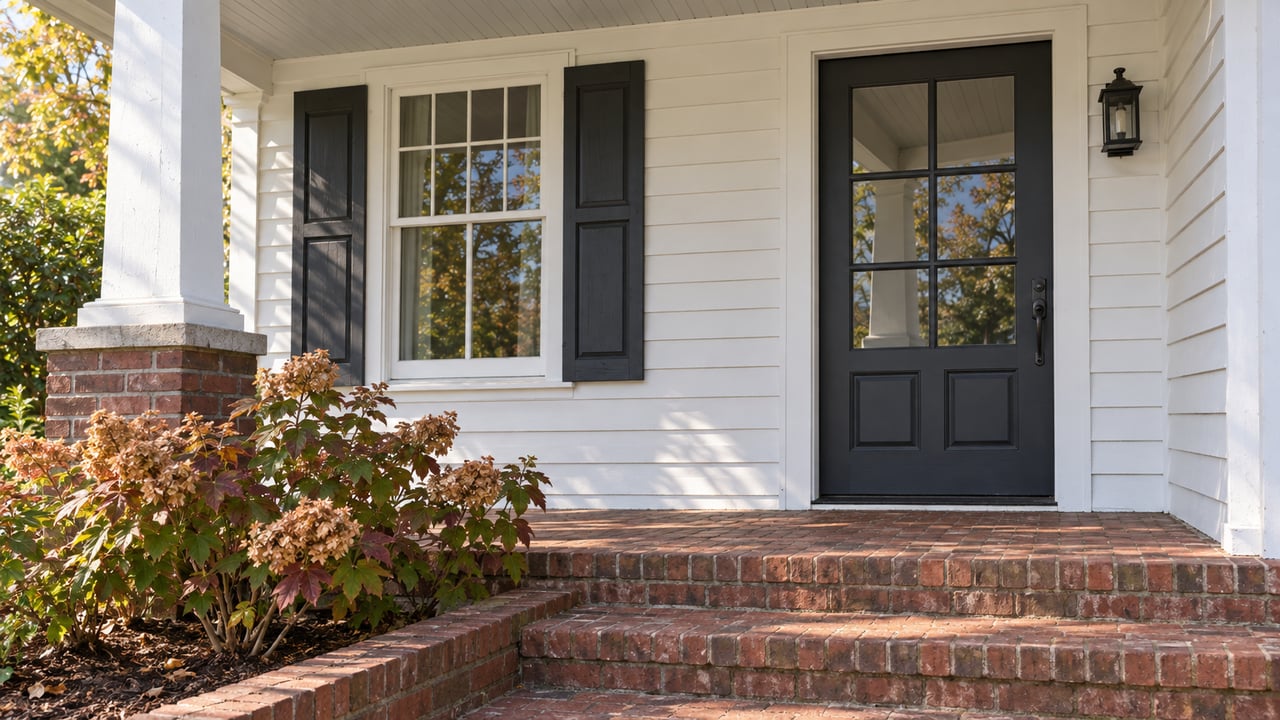
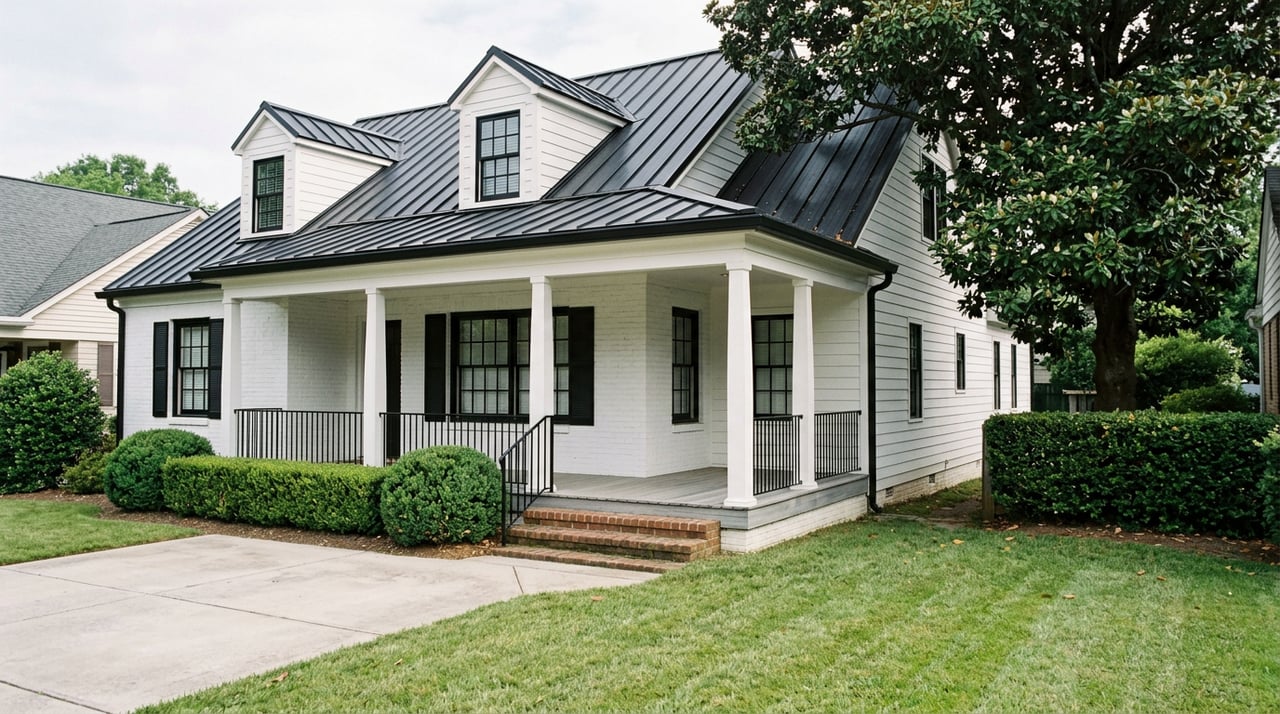
Town guidance points to features that help preserve the district’s rhythm. Those include usable front porches, well-proportioned windows, intact trim and wood details, mature trees, and additions that stay visually quiet from the street.
That does not mean buyers do not care about modern function. It means the most appealing renovations usually feel like the home works better today without losing the qualities that make Old Village special.
Renovations That Usually Support Resale
The strongest renovation story in Old Village is often simple: the house has been thoughtfully improved, but it still belongs here. That framing fits both buyer expectations and the town’s preservation-first approach.
Interior updates can help a lot when they improve livability without changing the home’s outward character. In many cases, buyers respond well to updated kitchens and baths, better lighting, improved systems, and layouts that feel more practical for everyday use.
Exterior and expansion work can also support value when handled carefully. The district guidelines say additions should be compatible with, but subordinate to, the original structure, and should be placed at the rear or on an inconspicuous side when possible.
That last point matters more than many sellers expect. In Old Village, even a rear elevation can be considered prominent if it faces the harbor, so a buyer may look closely at whether an addition truly fits the setting.
Features That Often Resonate
- Updated kitchens and baths that improve daily function
- Rear additions that do not overpower the original facade
- Lighting and system upgrades that make the home more usable
- Storm-resilience improvements that preserve the historic street view
- Front porches and exterior details that remain consistent with the block
Renovations That Can Raise Questions
Not every dollar spent translates cleanly into resale value. In a historic district, some updates may actually create friction if they alter the look or scale buyers expect.
The Old Village Historic District guidelines are especially clear on certain elements. Historic door and window details should be retained when possible, historic openings should not be lowered, raised, enlarged, or otherwise altered, and roof forms should stay compatible with the building.
The same guidelines say flat and mansard roofs are not permitted, and skylights are generally not appropriate on historic structures. They also note that ultra-modern forms that do not blend with surrounding homes should be discouraged.
Porches deserve special attention as well. The rules treat porches as a key district element, and the ordinance requires front-facing porch area to make up 10% of the building area ratio.
Common Seller Risks
- Overselling a renovation as fully custom when buyers see it as out of character
- Highlighting added square footage without records that clearly support it
- Assuming renovation cost equals market value
- Overlooking approvals for exterior work, including some hurricane protection improvements
Why Approvals Matter Before You List
If your home is in the district, exterior work is not treated like typical suburban remodeling. Changes, alterations, demolition, and other qualifying work go through the Historic District Preservation Commission.
The town’s guidelines say a pre-application meeting with staff is required before submitting a Certificate of Appropriateness application. They also state that all buildings in the district are subject to the guidelines.
For a seller, the practical takeaway is straightforward. You want a clean paper trail for work that needed approval, and you want to separate ordinary maintenance from exterior alterations that may have required review.
Some items may fall under minor work or no-COA categories, such as touch-up painting in the same color, landscaping changes, and certain non-visible lighting or storm-window work on non-historic structures. But narrow exceptions are not the same as blanket permission, so organized records matter.
How to Tell the Right Renovation Story
In Old Village, “everything is new” is rarely the most persuasive message. A better story is that the home has been improved thoughtfully, with updates that support modern living while respecting the neighborhood’s character.
That story should show buyers what changed, why it matters, and how the home still fits the block. If you renovated with restraint, that can be a selling strength rather than a limitation.
You should also connect the house to the place. Old Village buyers are often drawn to the district’s history, the walking-tour network, Shem Creek’s longstanding harbor role, and the improved access and safety along the Pitt Street Bridge corridor.
When your marketing reflects both the house and the setting, the renovation feels more credible. It becomes part of a complete lifestyle picture rather than a stand-alone construction project.
What to Emphasize in Marketing
- The home functions better today
- Original character was preserved where possible
- Additions were designed to remain visually secondary
- Outdoor spaces support the Old Village lifestyle
- The property fits the streetscape, not just the floor plan
Pricing a Renovated Home Realistically
Old Village and the broader 29464 area sit in a premium segment of the Mount Pleasant market. Research sources show a median listing price of $1.245 million for 29464 and a median sale price of $874,477 for Mount Pleasant based on different methodologies, which should not be compared directly.
The useful takeaway is that this is a high-value micro-market where small differences in condition and location can matter a lot. That makes pricing especially sensitive for renovated homes.
It is also important to separate cost from value. Renovation receipts may help explain what you improved, but they do not determine what the market will pay.
Appraisal guidance supports this reality. When there are few truly comparable sales, appraisers may use older or more distant sales if they are the best available and explain their reasoning, with adjustments based on market reaction rather than a simple formula.
In a low-turnover, character-rich area like Old Village, that can lead to a more nuanced value discussion. If your home’s layout, condition, size, or scope of addition does not line up neatly with the best local sale set, the appraisal may not fully reflect your project cost.
Prepare for the Appraisal Conversation
A renovated Old Village home often needs more than pretty photos and a short feature sheet. The best support package is factual, organized, and easy for a buyer and appraiser to understand.
The town maintains an inventory of houses in the district, including age, architectural style, major additions, and historic status. That makes accuracy especially important when you describe what is original, what was added, and when the work was completed.
Before listing, gather the materials that show the scope and legitimacy of the renovation. A complete file can make your home easier to understand and reduce confusion during due diligence.
Documents Worth Organizing
- COA approvals, if applicable
- Permits and final approvals
- Floor plans
- Contractor invoices
- Before-and-after photos from the same viewpoints
- A factual list of improvements with dates
Keep your captions and notes simple. State what changed, when it changed, and whether the work was approved.
If the Appraisal Comes in Low
Even a well-renovated home can face an appraisal gap. That does not always mean the market rejects the property, but it can affect the deal structure.
Common outcomes include price renegotiation, a reconsideration of value, a larger buyer down payment, or the buyer walking away. That is why strategic pricing and strong documentation matter from the start.
If the property has physical deficiencies affecting safety, soundness, or structural integrity, appraisal guidance also notes those issues may need to be addressed before value is finalized. In other words, unfinished or unresolved items can create delays at the exact moment you want momentum.
Why Local Strategy Matters
Selling a renovated home in Old Village is part pricing exercise, part positioning exercise, and part compliance exercise. You are not just selling updated finishes. You are selling how successfully the home balances modern function with a preservation-minded setting.
That is where a practical, local approach can make a real difference. You need a strategy that understands historic-district expectations, renovation economics, buyer perception, and how to present the home clearly in a premium micro-market.
If you are preparing to sell a renovated Old Village property, PRL Consulting Group, LLC can help you evaluate positioning, documentation, pricing, and marketing with a hands-on, locally grounded approach.
FAQs
How does a historic district affect selling a renovated home in Old Village?
- In Old Village, buyers and the town both place strong value on compatibility with the historic streetscape, so renovations that improve function while preserving character often present better than updates that feel out of scale or out of place.
What approvals matter when selling a renovated home in Old Village?
- Exterior changes in the district may require review by the Historic District Preservation Commission, and sellers should organize any Certificate of Appropriateness approvals, permits, and related records before listing.
What renovations add the most appeal for Old Village buyers?
- Updates that improve everyday livability, such as kitchens, baths, systems, lighting, and carefully designed additions, often resonate most when they do not overpower the original home or the block.
Can renovation costs set the asking price for an Old Village home?
- No. Renovation costs help document the work, but market value depends on buyer demand, comparable sales, condition, location, and how the home compares to the best available sale set.
What should sellers document for a renovated Old Village listing?
- Sellers should gather permits, COA approvals if applicable, invoices, floor plans, and before-and-after photos with factual notes showing what changed and when.
Why can appraisals be tricky for renovated homes in Old Village?
- Old Village is a low-turnover, character-rich micro-market, so appraisers may need to rely on less-than-perfect comparables and narrative adjustments when few closely similar sales are available.