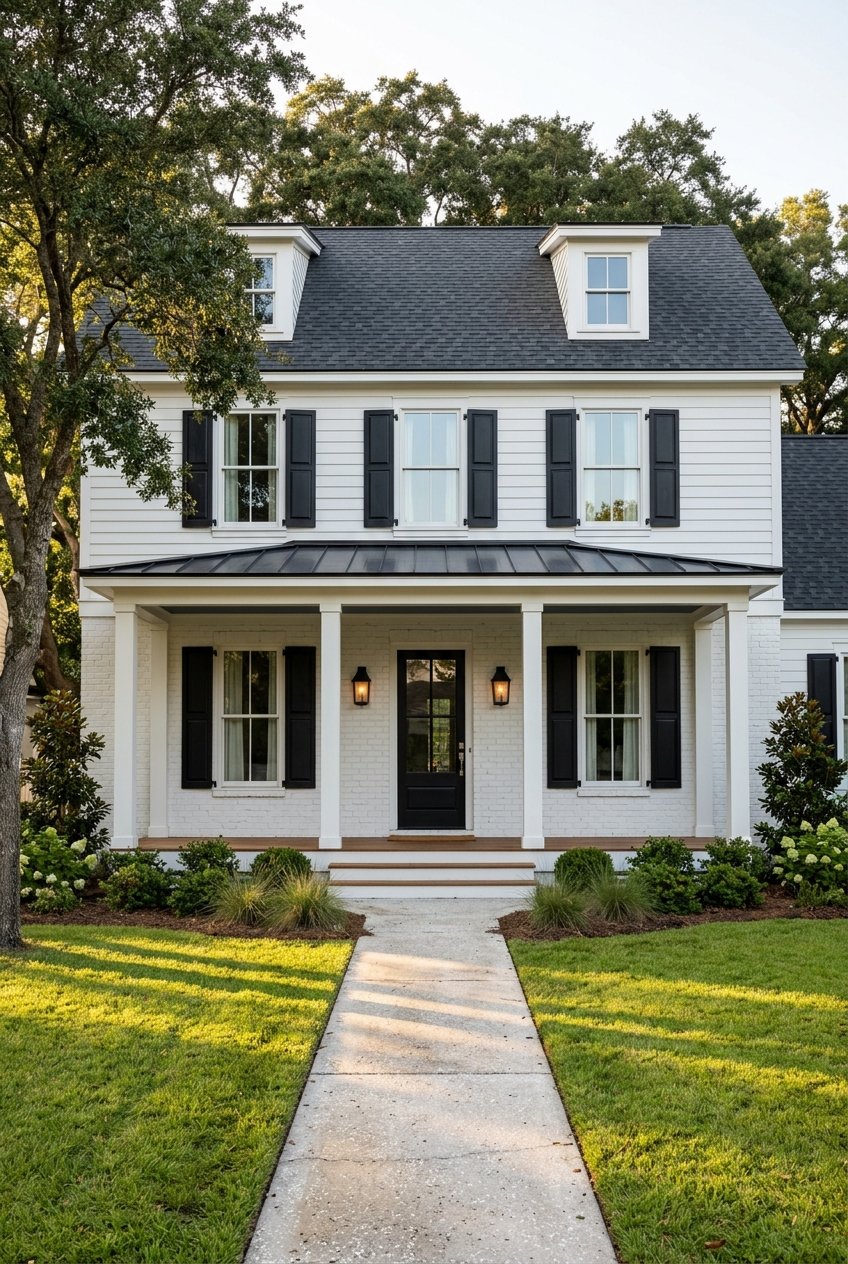
Wondering why one Daniel Island home feels like a perfect fit while another, just a few streets away, feels completely different? That is often the result of Daniel Island’s micro-neighborhood design. If you are searching here, it helps to know that the island was planned as a network of distinct pockets, each with its own mix of access, amenities, dues, and day-to-day rhythm. This guide will help you understand how those differences shape your search and what to verify before you buy. Let’s dive in.
Why micro-neighborhoods matter
Daniel Island is not one uniform subdivision. Its master plan was built around distinct neighborhoods, open space, and waterfront access, which is why the island can feel varied even within a short drive or bike ride.
That matters because your experience is shaped by more than the home itself. On Daniel Island, the street, the park nearby, the type of ownership association, and the amenity structure can all change how you live there every day.
The island also sits within the City of Charleston in Berkeley County, about 15 miles from historic Charleston and about 8 miles from the airport via I-526 Exit 24. That regional convenience adds to the appeal, but once you are on the island, the smaller neighborhood distinctions become the real story.
How associations shape daily life
One of the biggest practical differences on Daniel Island is the property owners association structure. Buyers often focus on price and layout first, but association boundaries can affect dues, access, and closing costs just as much as square footage.
DICA covers single-family homes and townhomes south of I-526, along with Parkside Condominiums. DITA covers the business district and most multi-family developments, including The Oaks. DIPA covers residential property north of I-526, except The Oaks.
Those labels are not just administrative details. They can change which amenities are available to you and how a neighborhood feels from one part of the island to another.
According to the 2026 closing fee schedule, annual assessments are $1,029 for DICA and $1,074 for DIPA. The same schedule also lists added exclusive amenity charges for Nobel’s Point Dock, Captain’s Island, and The Retreat, which shows that some premium enclaves carry costs beyond the base assessment.
The POA also notes that Daniel Island has two community boat landings. Beresford Creek serves DICA residents, while Ralston Creek at Great Oak Park serves DIPA residents. DICA also currently maintains three pools at Pierce Park, Scott Park, and Edgefield Park.
Waterfront pockets and private access
If your search centers on views, water access, or a more private setting, the waterfront side of Daniel Island will likely stand out first. These micro-neighborhoods are some of the most setting-driven areas on the island.
The Waterfront is described as the island’s last remaining waterfront and sits on a 22-acre riverfront site where River Landing Drive meets the Wando River. Captain’s Island was planned around access to Ralston Creek and the Wando, while The Retreat and Nobel’s Point also stand out as premium waterfront or dock-oriented enclaves.
These neighborhoods tend to attract buyers who care about features such as dock access, marsh or river views, club-oriented living, and outdoor privacy. In practice, this is where the island feels most exclusive.
Recent listing examples show how wide the price range can be in these pockets. A townhome at 405 Spartina was listed at $2.025 million, 938 Fish Camp in The Retreat was listed at $6.925 million, 553 Old Compass on Captain’s Island was listed at $8.75 million, and 123 Nobels Point was listed at $12.5 million.
Daniel Island Park and golf-oriented streets
If you are drawn to golf, club amenities, and quieter residential streets, Daniel Island Park north of I-526 deserves close attention. This part of the island was designed as a series of smaller neighborhoods organized around green space, parks, and golf course frontage.
The Daniel Island Club currently includes two championship courses, 36 holes, 16 tennis courts, six pickleball courts, two resort-style pools, and dining venues. That gives this area a more club-centered feel than many other parts of the island.
For some buyers, this part of the search is less about being near the downtown core and more about daily routine. You may care more about tee times, club access, and a quieter setting than about walking to errands.
Recent listing examples in these golf-oriented pockets include 217 Black Powder Lane at $2.9 million in Ralston Grove, 457 Lesesne at $3.599 million in Ralston Grove, 143 Brailsford at $3.75 million on the 16th hole of Ralston Creek, and 232 Delahow at $5.75 million near club amenities.
Downtown core and low-maintenance living
For buyers who want walkability and simpler upkeep, the downtown core offers a very different experience. This is the part of Daniel Island most closely tied to errands on foot, dining out, and condominium or townhome living.
The pocket around River Landing, Pier View, and Seven Farms is the easiest fit if you want quick access to groceries, restaurants, the marina, trails, and stadium-area activity. It is also where many buyers find the island’s lower-maintenance options.
Recent examples help frame the range. A sold townhome at 200 River Landing Drive closed at $730,000 and was described as a short stroll from restaurants, boutiques, the marina, trails, and a grocery store. A top-floor condo at 145 Pier View was listed at $449,000, and a condo in the 254 Seven Farms complex was listed at $329,000.
If you like the idea of leaving the car parked more often, this area deserves a close look. The Daniel Island Ferry dock also sits at the end of River Landing Drive, and the ferry’s scheduled trip to downtown Charleston is about 30 minutes when operating.
Park-centered neighborhoods and everyday routines
Some parts of Daniel Island are shaped less by club life or waterfront exclusivity and more by parks, pools, and trails. These neighborhoods often appeal to buyers who want a strong sense of everyday outdoor access built into their routine.
Etiwan Park was the first neighborhood established on Daniel Island and centers on a six-acre City park with fields, basketball and volleyball courts, and a playground. Codner’s Ferry Park sits in one of the island’s earliest neighborhoods. Smythe Park is the island’s largest park at 22 acres and includes an 11-acre lake, kayak dock, and pedestrian trails.
Barfield Park is known for marsh-oriented walking and running paths, while Pierce Park adds a pool and pavilion with marsh and river views. These are the kinds of neighborhoods where your daily route may revolve around trails, open green space, and shared recreational amenities.
A Parkside HPR condo at 1225 Blakeway sold for $460,750 and was marketed with access to the three Daniel Island pools, a boat ramp, playgrounds, tennis courts, grilling areas, and nearby trail access. That example shows how much the surrounding neighborhood can add to the value of a property beyond the unit itself.
Price changes by pocket
One of the clearest reasons to study micro-neighborhoods is price. On Daniel Island, pricing can shift dramatically based on setting, association, and amenity access, even when homes seem close together on a map.
In the listing examples reviewed, downtown condos and townhomes clustered in the mid-hundreds of thousands. Golf-oriented Daniel Island Park homes were generally in the low millions, while waterfront homes ranged from the low millions to well above $10 million.
These are snapshots, not market-wide averages. Still, they show how strongly street location and neighborhood character influence value on the island.
Match the pocket to your routine
A helpful way to narrow your search is to think about how you want a normal Tuesday to feel. Daniel Island’s micro-neighborhoods are really lifestyle filters once you look past the map.
If you care most about docks, water views, marsh walks, and private outdoor space, the waterfront enclaves may be your best match. If your priorities center on golf and club life, Daniel Island Park is likely the strongest fit.
If you want to walk to groceries, restaurants, the ferry, and event areas, the downtown core should be high on your list. If you are focused on trails, parks, pools, and neighborhood recreation, the island’s park-centered pockets may feel more natural.
The island’s trail system connects marsh, waterfront, downtown, and neighborhood loops, and Daniel Island School is within walking and biking distance of island neighborhoods according to the fact sheet. That means your decision is not just about the house. It is about the route and routine you will use every day.
One detail buyers should verify
There is one naming issue that can create confusion during a home search: Parkside does not always mean the same thing. The POA identifies Parkside Condominiums as part of DICA south of I-526, while MLS remarks may also use Parkside language for pockets within Daniel Island Park, such as Ralston Grove.
That is why it is important to verify the exact subdivision and association before making assumptions about dues or amenity access. Two properties with similar marketing language may come with different ownership structures and different day-to-day benefits.
If you are comparing homes across several parts of the island, this step can save you from surprises later in the process. It is one of the most practical ways to make a smarter Daniel Island search.
If you want help sorting through Daniel Island’s micro-neighborhoods, comparing association structures, or narrowing your search based on how you actually want to live, connect with PRL Consulting Group, LLC. Their consultative, local approach can help you evaluate the details that matter before you make a move.
FAQs
What makes Daniel Island micro-neighborhoods different from each other?
- Daniel Island was planned as a network of distinct neighborhoods, and differences in location, association, amenities, park access, waterfront setting, and club orientation can change daily life from one pocket to another.
Which Daniel Island pocket is easiest for walking to groceries and restaurants?
- The downtown core around River Landing, Pier View, and Seven Farms is the most walkable area for groceries, restaurants, shops, marina access, trails, and nearby event activity.
Which Daniel Island neighborhoods are most connected to golf and club life?
- Daniel Island Park north of I-526 is the area most closely tied to golf and club-centered living, especially around the Daniel Island Club courses and nearby residential enclaves.
Which Daniel Island areas are most focused on waterfront living?
- The Waterfront, Captain’s Island, The Retreat, and Nobel’s Point are the main water-oriented enclaves for buyers focused on views, dock-oriented living, and premium waterfront settings.
How do Daniel Island HOA or POA dues differ by neighborhood?
- Association structures vary by area, with DICA, DIPA, and DITA covering different parts of the island, and some premium enclaves carrying added amenity charges beyond base annual assessments.
What should buyers verify before buying on Daniel Island?
- You should confirm the exact subdivision, property owners association, annual assessments, closing fees, and amenity access because similar homes on the map can come with meaningfully different ownership structures.