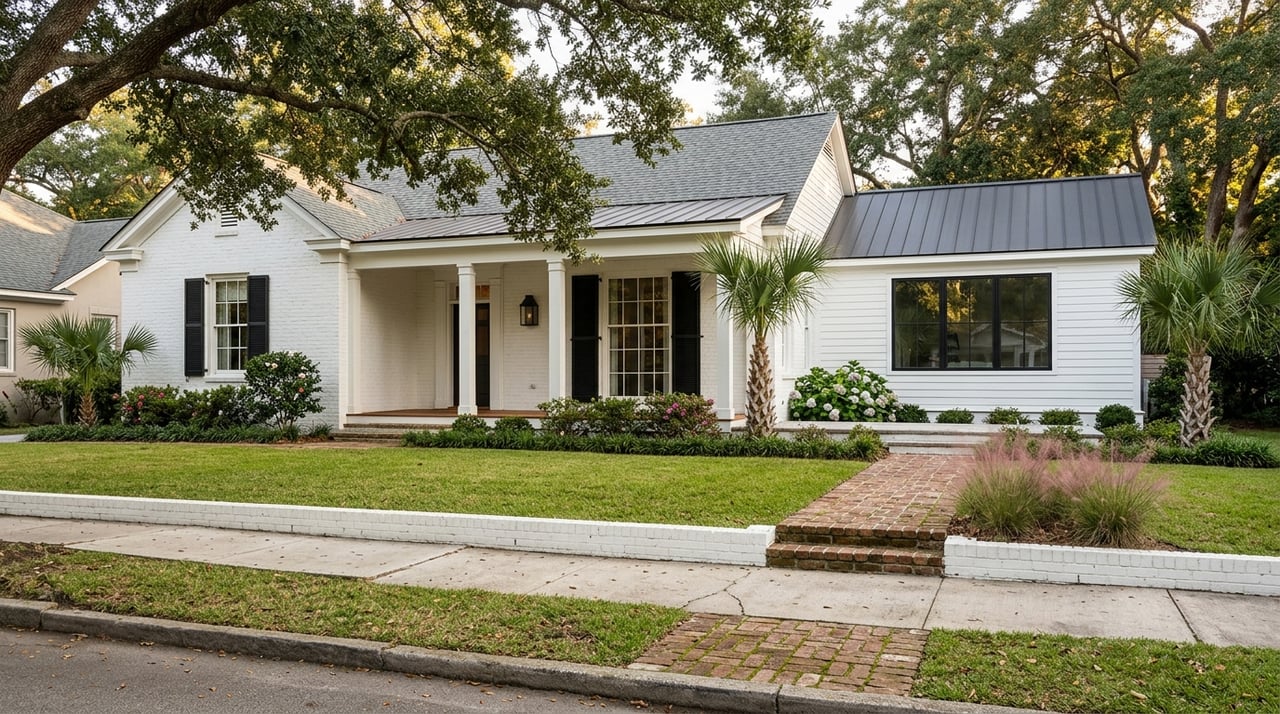
You do not usually move to Old Mount Pleasant because you want the newest house on the block. You move there because you want a stronger sense of place, a more established streetscape, and a home that may offer room to grow in one of the Lowcountry’s most recognizable settings. If you are a move-up buyer weighing more space, better layout, or long-term value, this area offers real upside, but it also asks for careful due diligence. Let’s dive in.
Why Old Mount Pleasant Appeals
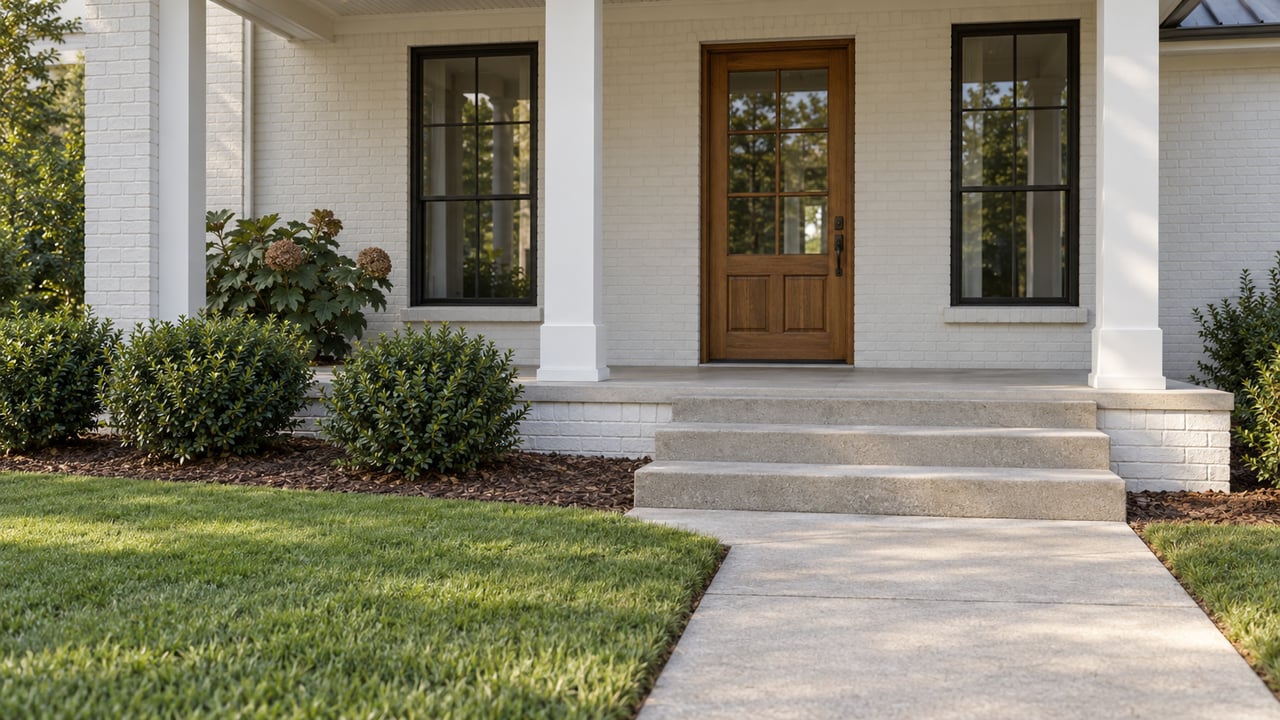
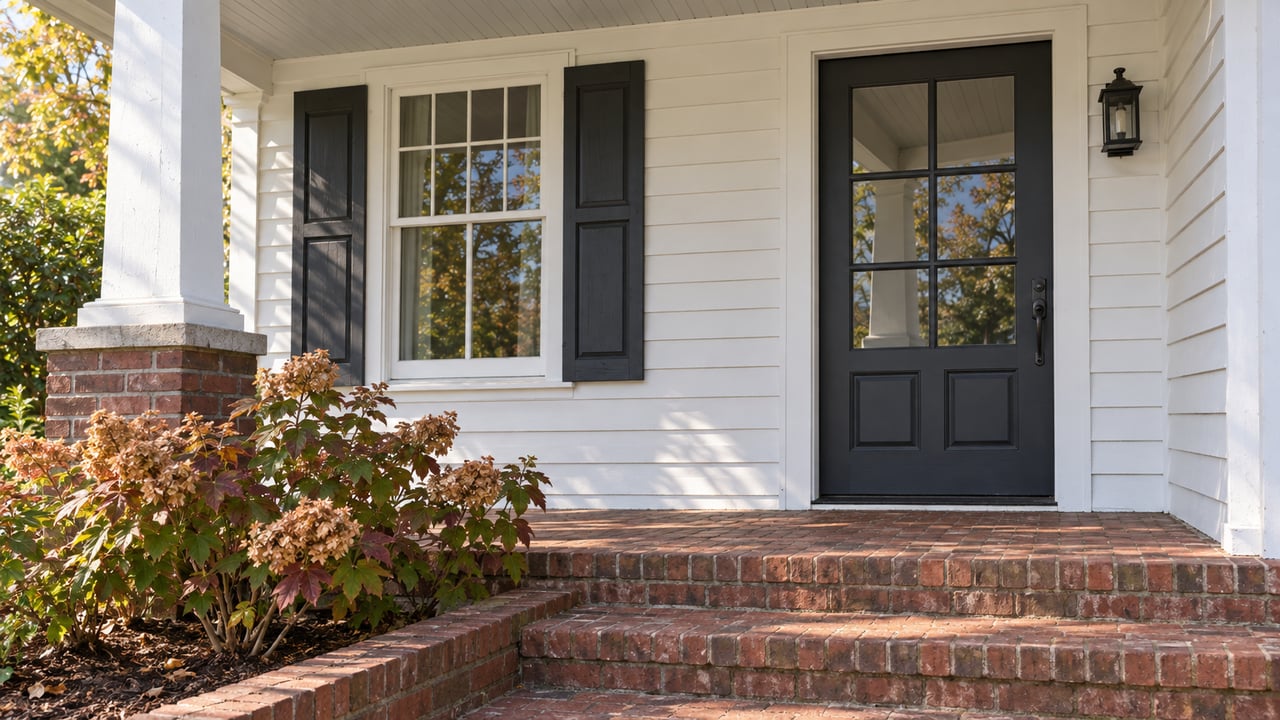
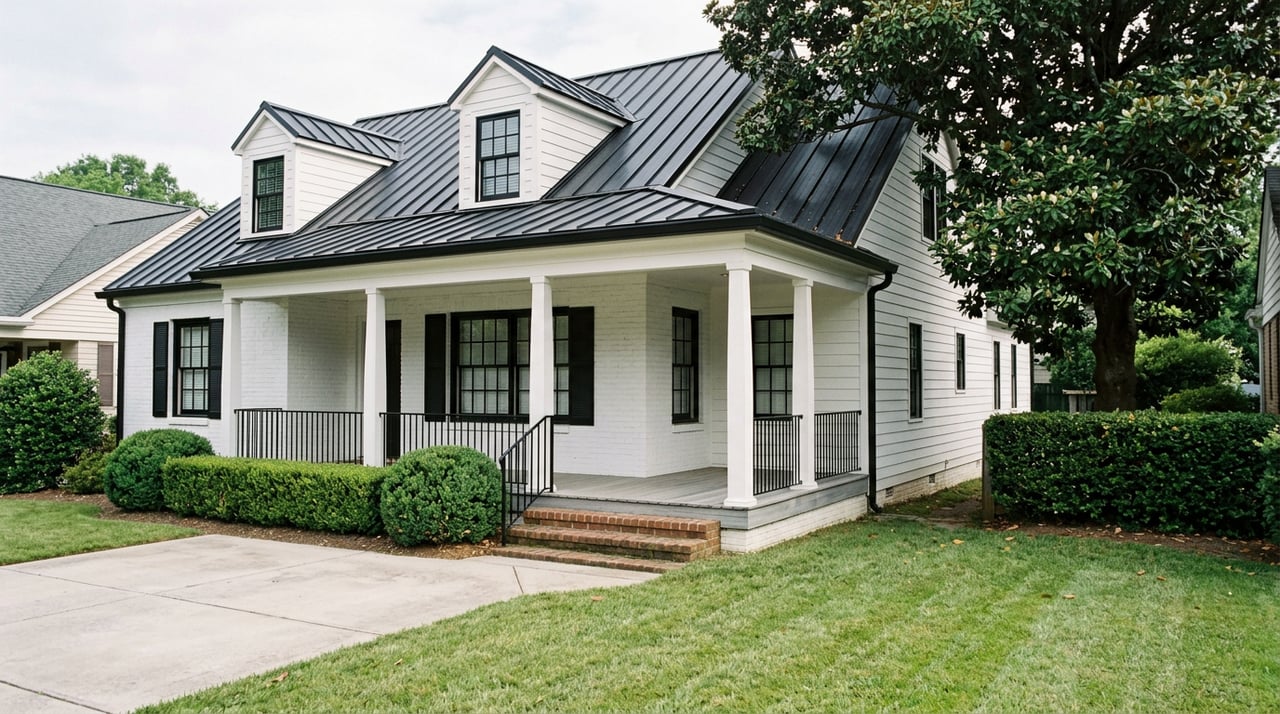
For many buyers, Old Mount Pleasant means the Old Village Historic District, a 37-block local conservation historic district that overlaps a smaller National Register district. The Town of Mount Pleasant describes it as a quiet residential area with small and large houses, shade trees, and front yards that typically extend from the street or sidewalk to the house. That physical character is a big part of why move-up buyers look here.
Unlike many later subdivisions, the appeal is not based on uniform new construction. It is based on preserved streetscapes, established architecture, and a neighborhood pattern that feels rooted in place. If you want a home with more presence and a setting that feels distinct, Old Mount Pleasant often stands out.
Lifestyle in Old Village
Shem Creek plays a major role in the area’s identity. The town describes it as the traditional harbor for local residents for more than 300 years, and the Old Village district is bounded on the north by Shem Creek. That connection to the water gives the neighborhood a daily sense of character that many move-up buyers value.
Shem Creek Park adds practical lifestyle benefits. The park offers fishing, parking, restrooms, and a walking trail, and the completed Coleman Boulevard bike-lane project improves access to the creek area. For buyers who want more than square footage alone, that nearby recreation can help justify the move.
What the Streetscape Tells You
One reason Old Mount Pleasant feels different is the way the lots and streets work together. The zoning framework requires at least 60 feet of frontage on a public street and limits impervious coverage to 40 percent of the lot. In simple terms, that can support a more open feel than you may expect in a close-in location.
The design guidelines also focus on the rhythm of each block. Streetscape is defined broadly to include setbacks, existing trees, landscaping, driveways, and street layout. New construction and additions can be contemporary, but they are expected to remain compatible with the size, scale, and character of the property and surrounding block.
That matters if you are moving up from a smaller home in a newer neighborhood. In Old Mount Pleasant, the value proposition is often tied to lot pattern, mature trees, porches, and the way homes relate to the street, not just bedroom count.
Lot Size and Parking Reality
Old Mount Pleasant can feel more spacious than many newer neighborhoods, but every parcel is different. Street frontage alone does not tell the full story, and dimensions should be verified lot by lot through Charleston County GIS and parcel tools. Before you assume a backyard is larger than it looks or that an addition will fit easily, it is smart to confirm boundaries, parcel details, and tax information.
Parking is another practical point. The code requires at least two off-street parking spaces per residence. Accessory structures generally must be placed to the rear of the main house and are limited to 20 feet in height and 1.5 stories, which can affect how you think about a garage, studio space, or storage.
Renovation Potential for Move-Up Buyers
If you want a home you can improve over time, Old Mount Pleasant can be compelling. The town makes clear that preservation does not mean freezing a house in time. Contemporary additions and some new materials may be allowed when they remain harmonious and do not overwhelm the primary structure.
That gives you a path to modernize an older home while still respecting the district’s scale and character. A dated kitchen, an undersized primary suite, or an awkward rear addition may not be a deal breaker if the property can support a thoughtful plan.
For buyers who think in terms of both lifestyle and long-term value, this is where good advice matters. A house with renovation upside can be a smart move-up purchase, but only if the physical constraints and approval process match your goals.
Understand the Historic Review Process
The key tradeoff is review and compliance. In the district, all buildings are subject to design review, and exterior changes, alterations, demolitions, and other work are heard by the Historic District Preservation Commission. A pre-application meeting with town staff is required before a Certificate of Appropriateness application is filed.
Some work is exempt. Routine maintenance that does not change the exterior appearance and uses approved materials does not need design review, and interior work is exempt. Still, if you are planning changes to porches, windows, siding, roofing, additions, or site work, you should expect the process to shape your timeline and budget.
Tax Credit Opportunity
There may also be financial upside for the right project. The South Carolina Department of Archives and History says owner-occupied historic residences may qualify for a 25 percent state historic rehabilitation tax credit. Applications must be submitted for review and approval before work begins.
That does not make every renovation easy, but it can be meaningful for buyers who intend to improve a qualifying home. If you are comparing a turnkey house with a property that needs work, this is one factor worth reviewing early.
Flood and Drainage Deserve Extra Attention
For Old Mount Pleasant buyers, flood and drainage due diligence is essential. The town says much of the Old Village is located within flood zones, and standard property insurance does not cover flood losses. Mount Pleasant participates in the National Flood Insurance Program and the Community Rating System, currently rated Class 6, which provides a 20 percent flood-insurance premium reduction.
The town also notes that elevation certificates are maintained on file for structures in special flood hazard areas. That gives you another important data point when evaluating risk, insurance cost, and future renovation options.
Drainage is also a real-world issue, not just a map issue. The town’s Old Village stormwater study says many homeowners may still see ponding during heavy rain events even after drainage upgrades, although receding water should improve. If you are planning to move up into this area, it is wise to look beyond the home itself and study finished-floor elevation, flood zone, drainage path, and even tree and root impacts.
Rules Beyond the Historic Overlay
Move-up buyers should separate public rules from private ownership documents. The historic overlay governs exterior work inside the district, but a specific property may also be subject to HOA documents or a regime structure. Those layers can affect maintenance, assessments, and property use.
In South Carolina, the state property disclosure form is used to disclose whether a home is governed by an HOA. For condo-style ownership, the Horizontal Property Act controls a horizontal property regime through a recorded master deed and shared common elements. In practical terms, you want to confirm exactly what applies to the parcel before assuming your renovation or ownership plans are straightforward.
Use Restrictions to Know Early
Some restrictions in the Old Village zoning code are especially important if you are thinking long term. Short-term rental of residentially zoned parcels is prohibited within the district, and bed-and-breakfast use of residentially zoned parcels is also prohibited. Accessory structures, parking, and on-street parking are also tightly regulated.
Even if you are buying as an owner-occupant, these rules can affect future flexibility. A home that works well as a primary residence may still have limits that matter later, so it is best to understand them before you close.
A Smart Move-Up Buyer Checklist
If you are serious about Old Mount Pleasant, your due diligence should be detailed and property-specific. A strong process usually includes:
- Confirming parcel boundaries and lot size through Charleston County GIS
- Verifying flood zone and available elevation information
- Reviewing historic district status and Certificate of Appropriateness requirements
- Checking whether any HOA or regime documents apply
- Understanding parking, accessory structure, and site-work constraints
- Evaluating whether your renovation goals fit the lot, house, and review process
This is where a pragmatic advisor can save you time and money. The best move-up opportunity is not always the house that looks easiest at first glance. It is the one where the location, rules, condition, and long-term plan all line up.
Is Old Mount Pleasant Right for You?
Old Mount Pleasant can be a strong fit if you value location, mature character, and the possibility of improving a home over time. It may be less ideal if you want a simple, low-review path to major exterior changes or if you prefer a newer neighborhood with fewer property-specific variables. For many move-up buyers, the right choice comes down to how much you value place, flexibility, and long-term potential.
If you want help evaluating whether a specific Old Mount Pleasant property makes sense for your goals, PRL Consulting Group, LLC can help you weigh the home, the lot, and the process with a practical local lens.
FAQs
What makes Old Mount Pleasant attractive for move-up buyers?
- Old Mount Pleasant appeals to move-up buyers because it offers established streetscapes, a mix of home sizes, mature trees, and proximity to Shem Creek and the harbor, with a character shaped by preserved architecture rather than newer subdivision design.
What should buyers know about renovating in Old Mount Pleasant?
- Buyers should know that exterior changes in the historic district are subject to design review, a pre-application meeting is required before filing for a Certificate of Appropriateness, and renovation plans should be evaluated early against district guidelines.
How important are flood zones in Old Mount Pleasant home searches?
- Flood zones are a major part of due diligence because much of the Old Village is located within flood zones, standard property insurance does not cover flood losses, and drainage conditions should be reviewed along with elevation and site details.
Can a buyer add onto a home in Old Mount Pleasant?
- Additions may be possible, including contemporary ones, but they must remain compatible with the size, scale, and character of the home and block and may be shaped by lot conditions, setbacks, and historic review.
What ownership documents should buyers review in Old Mount Pleasant?
- Buyers should review the historic overlay rules, confirm whether an HOA applies, and check for any regime or master-deed documents because each layer can create separate obligations or limits on use, maintenance, and renovation.
Are short-term rentals allowed in Old Mount Pleasant?
- No, short-term rental of residentially zoned parcels is prohibited within the district, and bed-and-breakfast use of residentially zoned parcels is also prohibited.